As an Amazon Associate I earn from qualifying purchases. This page may contain affiliate links.
Riders who spend their weekends on dunes, beaches or soft desert washes often reach a point where stock tires stop working. Standard knobby tires dig in, bog down and throw sand everywhere. Atv sand paddle tires solve that problem by spreading the vehicle’s weight over a wider footprint and pushing against loose sand instead of cutting into it. This guide covers what to look for in paddle tires, compares five well-regarded options, and explains how to choose a set that fits your machine and your riding.
The selection criteria used here are based on published specifications, brand reputation in the sand-riding community, and patterns that owners tend to mention in their feedback: flotation, paddle design, mounting compatibility, load ratings, and how the tires behave on hardpack and mixed terrain. No product in this list was tested by the author. Verify fitment and load ratings against your owner’s manual before buying.
Our Top Picks
Quick Comparison
| Product | Best for | Key feature |
|---|---|---|
| Maxxis Liberty Paddle | Riders who want a dependable all-round sand tire | Wide paddle pattern with a reinforced sidewall |
| Carlisle Sand Max | Budget-minded riders on mixed sand and trail | Lightweight paddle design with easy mounting |
| Sedona Dunes King | Dedicated dune riders and sport quads | Aggressive paddle lugs for maximum thrust |
| Douglas Sand Paddle | Riders running stock-size rims on older machines | Traditional paddle profile with broad availability |
| ITP Coyote Sand Paddle | Heavy machines and utility-style ATVs | Higher load capacity for the weight class |
Maxxis Liberty Paddle
This is a solid choice for riders who ride sand most weekends but also cover some trail and hardpack. It suits mid-weight sport and utility ATVs that need predictable handling when conditions change within a single ride.
Key specs
- Paddle-style tread designed for flotation in loose sand
- Reinforced sidewall construction
- Available in common sizes for 4-wheel ATVs
- Mounting follows standard rim specifications for the listed size
Pros
- Balanced paddle pattern that handles both dunes and packed trail
- Sidewall construction helps resist pinch damage at low pressure
- Widely fitted by sand riders, so tire shops are familiar with mounting it
Cons
- Paddles add noticeable weight, which can slow acceleration on small engines
- Less effective than full dune-specific designs in very deep, soft sand
Carlisle Sand Max
The Sand Max is aimed at riders who want paddle performance without paying for a premium dune tire. It works well for youth and entry-level sport ATVs and for riders whose sand time is occasional rather than daily.
Key specs
- Paddle tread pattern with a lighter overall construction
- Sizes offered for smaller-displacement ATVs
- Standard bead design for common aftermarket rims
Pros
- Lighter weight helps smaller engines spool up more readily
- Straightforward mounting for home mechanics
- A sensible choice for a first set of paddles
Cons
- Lighter construction means less load capacity for heavier machines
- Wear is faster on abrasive hardpack, so limit highway and gravel miles
Sedona Dunes King
This tire is built for riders who spend most of their time in dunes and want maximum thrust in soft sand. It fits sport quads and performance machines where paddle aggressiveness matters more than trail manners.
Key specs
- Deep, widely spaced paddle lugs for bite in loose sand
- Designed for low-pressure running in dunes
- Available for common sport ATV rim diameters
Pros
- Strong forward bite in deep, dry sand
- Paddle depth clears sand well, reducing bog during long climbs
- Owners often report good self-clearing in dune runs
Cons
- Harsh on hardpack and gravel, with noticeable vibration
- Not a good fit for riders who need a daily-use tire
Douglas Sand Paddle
The Douglas paddle is a traditional profile that many older ATVs and budget builds use. It suits riders with stock-size rims who want a paddle conversion without changing wheel sizes.
Key specs
- Classic paddle profile with moderate lug depth
- Sized for common 10 to 12 inch rim diameters
- Widely stocked for aftermarket fitment
Pros
- Good match for stock rim sizes on older machines
- Easy to source and replace
- Predictable behavior in moderate sand
Cons
- Shallower paddles give less flotation in very soft dunes
- Limited specification detail from some sellers, so confirm the size and load index
ITP Coyote Sand Paddle
This pick suits heavier utility ATVs and riders who carry gear or towing loads into sand. The load capacity is the main reason to consider it over lighter paddles.
Key specs
- Paddle tread built for heavier-duty use
- Higher load rating than typical sport paddles
- Sized for utility-class ATV rims
Pros
- Load capacity suits heavier machines and cargo use
- Durable construction for frequent hauling
- Good stability at lower pressures under weight
Cons
- Heavier than sport paddles, which slows acceleration
- Overkill for lightweight sport machines
Buying Guide
Selection Criteria
Atv sand paddle tires are a specialized product, so start by matching the tire to your machine’s weight, your rim size and where you actually ride. A paddle tire that is perfect for a 700-pound sport quad on dunes may be the wrong choice for a 1,200-pound utility ATV that hauls gear to a hunting camp.
Important Features
- Paddle depth and spacing. Deeper, wider paddles float better in soft sand but add weight and vibration on hard surfaces.
- Sidewall strength. Paddle tires run at low pressure, so a reinforced sidewall reduces the risk of pinch flats and bead issues.
- Load index. Confirm the tire’s load rating is at or above your machine’s loaded weight, including passengers and gear.
- Weight. Heavier paddles increase rotational mass, which affects throttle response and braking.
Specs to Check
- Tire diameter, width and rim diameter, matched exactly to your rims.
- Load index and speed rating listed by the manufacturer.
- Recommended operating pressure range for paddle use.
- Bead type and whether the tire is intended for tubeless or tube-type use.
Choosing by Need
- Dune and deep sand: Look at deep-lug paddle designs such as the Sedona Dunes King.
- Mixed sand and trail: A balanced pattern like the Maxxis Liberty Paddle or Carlisle Sand Max makes more sense.
- Heavy machines or hauling: Prioritize load capacity, as with the ITP Coyote Sand Paddle.
- Stock rims on older ATVs: The Douglas Sand Paddle is a practical match for common sizes.
Things to Watch Out For
- Paddle tires change your gearing feel and speedometer accuracy because the effective diameter increases. Recheck your drive setup.
- Running paddles on hardpack or gravel causes faster wear and more vibration. Plan for a second set of tires if you ride mixed terrain.
- Always reduce pressure gradually and check the bead seat after mounting. Consult your owner’s manual and a qualified tire shop for pressure guidance.
- Aftermarket paddles may require rim or fender clearance checks. Measure before you buy.
If you are still deciding between paddle tires and a general-purpose set, read All-Terrain Tires: Tread, Road Trade-Offs and Snow to see where paddles fit in the broader tire lineup. For the physics behind flotation and steering in soft sand, Sand Driving Basics: Flotation, Momentum and Steering is a useful companion. You can also check Off-Road Tires Explained: Types, Sizes and Load Ratings for sizing and load details.
FAQ
Do atv sand paddle tires fit any ATV?
No. Paddle tires must match your rim diameter, width and bead type. Many sport ATVs use standard aftermarket sizes, but some older or utility machines require specific rims. Check the size markings on your current tires and confirm clearance with your fender and frame before buying.
What tire pressure should I run with sand paddle tires?
Paddle tires are typically run at low pressure to increase the contact patch in sand. Exact figures depend on the tire, your machine’s weight and the terrain. Start with the manufacturer’s recommended range, and always consult your owner’s manual or a qualified tire professional before changing pressure significantly.
Will sand paddle tires affect my speedometer?
Yes. Larger overall tire diameter changes how many revolutions the wheel makes per mile, so speedometer readings and gearing will shift. Recalibrate or adjust your speed sensor if your machine allows it.
Can I use paddle tires on hardpack or gravel?
You can, but they are not designed for it. Paddles give more vibration, reduced braking control and faster wear on hard surfaces. Many riders keep a separate set of all-terrain or trail tires for mixed riding.
Do paddle tires need special maintenance?
Inspect the paddles after every sand ride for cuts, chunking and bead condition. Clean out packed sand from the rims and check lug nut torque. Rinse off salt water promptly. For general cleaning methods, see Cleaning an Off-Road Vehicle: Mud, Sand and Salt.
Do I need a compressor to run paddle tires?
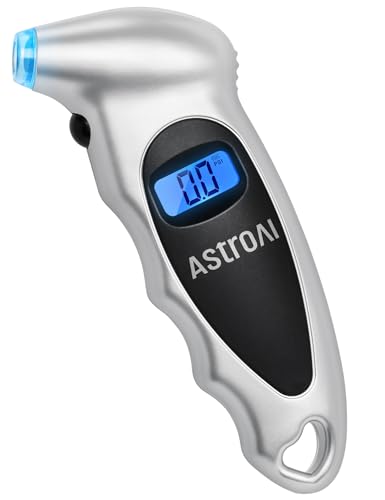
A portable compressor helps you set pressure accurately after a trail ride, especially if you air down for sand and air back up for the trip home. Compare options in Best Portable Air Compressors for Off-Road Tires: 6 Compared, and pair the compressor with a gauge from Tire Pressure Gear: Gauges, Deflators, Compressors.
Are paddle tires a good idea for beginners?
They can be, but beginners should first learn the basics of throttle control and momentum in soft sand. Review ATV Safety Basics: Age, Gear, Training and Passengers before riding dunes, and wear a helmet and appropriate gear on every ride.
Conclusion
Atv sand paddle tires make a real difference in soft sand, but the right choice depends on your machine’s weight, your rim size and where you ride most. The Sedona Dunes King suits riders focused on deep dunes. The Maxxis Liberty Paddle and Carlisle Sand Max fit mixed sand and trail use, with the Carlisle leaning toward lighter machines. The ITP Coyote Sand Paddle is the logical pick for heavier utility ATVs, and the Douglas Sand Paddle is a practical option for stock-size rims on older builds. Confirm fitment, load rating and pressure guidance for your specific machine before you buy, and ride within your skill level and the rules of your riding area.