As an Amazon Associate I earn from qualifying purchases. This page may contain affiliate links.
Choosing the right ATV tires for sand comes down to one question: how well will the tire keep you floating instead of digging in? Loose, dry sand behaves very differently from hardpack or mud, and a tire that works well on trails can bog down quickly in dunes. This guide covers the selection criteria we used to build this list: tread design, sizing and load rating, sidewall construction, and the patterns owners tend to report after months of riding. We did not test these tires ourselves. Instead, the picks are based on manufacturer specifications, brand reputation for sand-focused products, and recurring feedback from riders who use them on dunes, beaches and desert washes.
Our Top Picks
Quick Comparison
| Product | Best for | Key feature |
|---|---|---|
| ITP Dirt Commander | Dedicated dune riders | Paddle-style lugs for flotation |
| Maxxis Bighorn 3.0 | Mixed trail and light sand | Aggressive tread with reinforced sidewalls |
| GBC Dirt Commander | Sand and desert riding on a budget | Wide, open tread pattern |
| Kenda Bearclaw HT | Trail riders who hit sand occasionally | Deep lugs that clear soft material |
| Sedona Mud Hog | Riders who split time between sand and mud | Widely spaced lugs that shed debris |
| Carlisle Trail Pro | Work and utility ATVs in loose ground | Durable carcass and steady wear life |
| Duro DI-2013 | Entry-level sand and trail use | Low-profile, value-oriented construction |
| Douglas Ultimate Sand | Beach and dune racing | Paddle design built for flotation |
| Itp Holeshot Race | Competitive sand and motocross-style riding | Lightweight, high-performance tread |
ITP Dirt Commander
This is a paddle-style sand tire aimed at riders who spend most of their time on dunes and soft desert floors. It suits machines that need maximum flotation rather than tight-trail grip.
Key specs
- Paddle-style lug geometry for surface area in loose sand
- Sizes offered across common ATV rim diameters
- Recommended operating pressure is set lower than trail tires; check the manufacturer chart for your size
Pros
- Strong flotation in soft, dry sand
- Self-cleaning tread on dune faces
- Well-known brand in the sand riding community
Cons
- Tread can feel vague on hardpack and pavement
- Less suited to rocky trails
Maxxis Bighorn 3.0
A popular all-round trail tire that many owners use for weekend rides mixing sand washes, gravel and forest roads. It is a good fit for riders who want one set of tires for most conditions.
Key specs
- Aggressive open tread for traction in mixed terrain
- Reinforced sidewall construction
- Available in multiple widths and diameters
Pros
- Versatile across sand, trail and mud
- Durable sidewalls for rocky shortcuts
- Broad size range
Cons
- Not as much flotation as a true paddle tire in deep dunes
- Heavier than dedicated sand tires
GBC Dirt Commander
A desert-oriented tire with a wide, open pattern that owners often choose for sand washes and open desert riding. It is a sensible option for riders who want sand-specific tread without a premium price tag.
Key specs
- Wide, open tread pattern to shed sand
- Designed for low-pressure sand running
- Confirm fitment against your rim and load rating before buying
Pros
- Good self-cleaning in dry sand
- Budget-friendly choice for sand-focused riders
- Easy to find in common sizes
Cons
- Wears faster on hard surfaces than all-terrain tires
- Limited appeal for mud-heavy riding
Kenda Bearclaw HT
A deep-lug trail tire suited to riders who mostly ride trails but regularly cross sandy sections. It gives a more balanced ride than a pure dune tire.
Key specs
- Deep lugs designed to bite through loose surface
- Multiple sizes for common ATV models
- Check the load index against your machine’s specification
Pros
- Good balance of sand and trail traction
- Sturdy construction for mixed use
- Predictable handling on firm ground
Cons
- Lacks the flotation of paddle-style dune tires
- Can dig in during deep soft-sand climbs
Sedona Mud Hog
A widely recognized mud-and-trail tire that owners often use on sand when mud is also part of the ride. Its spacing helps clear debris, which carries over well to damp sand.
Key specs
- Widely spaced lugs for debris clearing
- Designed for aggressive trail and mud use
- Sizes vary; verify fitment and inflation range
Pros
- Strong self-cleaning in wet or mixed terrain
- Good bite in damp sand
- Recognized name among mud riders
Cons
- Not a dedicated dry-sand tire
- Can feel busy and noisy on pavement
Carlisle Trail Pro
A utility-oriented tire that owners of work ATVs often choose for loose ground, including sandy job sites. It is built more for durability and steady wear than for maximum dune performance.
Key specs
- Reinforced carcass for work loads
- Moderate tread depth for mixed surfaces
- Confirm the load rating matches your cargo needs
Pros
- Durable for daily utility use
- Stable on firm and loose ground
- Broad availability
Cons
- Not aggressive enough for deep dune riding
- Ride can feel firm compared to sand-specific designs
Duro DI-2013
An entry-level tire that new ATV owners sometimes buy for light sand and trail use. It is a reasonable starting point when you are not yet sure how much dune riding you will do.
Key specs
- Value-oriented construction
- Standard tread depth for mixed use
- Check size and ply rating before ordering
Pros
- Affordable option for occasional sand riding
- Simple, predictable handling
- Good for light use and beginners
Cons
- Limited flotation in deep dunes
- Shorter expected life under heavy use
Douglas Ultimate Sand
A paddle-design tire aimed at beach riders and dune racers who want maximum float. It is best matched to riders who run low pressures and stay on soft terrain.
Key specs
- Paddle-style tread for surface area in loose sand
- Designed for low-pressure sand running
- Verify fitment and sidewall rating for your machine
Pros
- Excellent float in soft dunes
- Clears sand well at speed
- Strong choice for beach riding
Cons
- Poor performance on hardpack and rock
- Can feel unstable on steep side-hills
ITP Holeshot Race
A lightweight, performance-oriented tire used by riders who want quick response and a responsive feel in sand. It suits experienced riders comfortable with a more demanding setup.
Key specs
- Lightweight casing for quick acceleration
- Performance tread for loose and packed sand
- Confirm rim width and pressure range
Pros
- Responsive and light feel
- Good traction in competitive sand riding
- Recognized brand in the sand community
Cons
- Less durable for rocky trail use
- Requires careful pressure management
Buying Guide
Good sand performance depends on a few linked factors: tread design, tire size, inflation, and how the tire fits your machine. Start with how you ride, then narrow the list. If you want more background on tire construction, see Off-Road Tires Explained: Types, Sizes and Load Ratings and All-Terrain Tires: Tread, Road Trade-Offs and Snow.
Selection criteria
- Riding terrain: Deep, dry dunes call for paddle-style tread. Mixed sand and trail favors open, aggressive lugs.
- Machine weight and load: Heavier ATVs and those carrying gear need a higher load rating.
- Rim size and width: Tire width and diameter must match your rim exactly.
- Riding style: Dune racing, trail touring and utility work each put different demands on a tire.
Important features
- Paddle or open tread: Paddles add flotation; open patterns shed sand and offer better all-round grip.
- Lug depth: Deeper lugs bite into loose surface but can feel busy on pavement.
- Sidewall construction: Reinforced sidewalls resist punctures and cuts from rocks and roots.
- Self-cleaning design: Wide lug spacing keeps sand from packing into the tread and reducing grip.
Specs to check
- Tire size (width, aspect, rim diameter)
- Load index and ply rating
- Manufacturer’s recommended pressure range
- Tread depth and intended surface
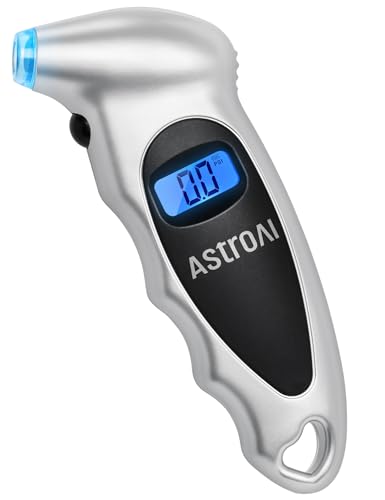
Tire pressure matters as much as tread. Lower pressures widen the contact patch and help with flotation, but going too low risks rolling the bead off the rim. For gauges and inflation tools, see Tire Pressure Gear: Gauges, Deflators, Compressors and Best Portable Air Compressors for Off-Road Tires: 6 Compared. A basic deflator, such as those covered in Best Tire Deflators for Off-Road: 3 Rhino USA Models Compared, makes it easier to set pressure on the trail.
Choosing by need
- Dedicated dune riding: Paddle-style tires such as the ITP Dirt Commander or Douglas Ultimate Sand.
- Mixed trail and sand: Open-tread options like the Maxxis Bighorn 3.0 or Kenda Bearclaw HT.
- Sand plus mud: The Sedona Mud Hog handles damp conditions well.
- Utility work: The Carlisle Trail Pro offers durability for daily loads.
- Light or occasional use: The Duro DI-2013 is a reasonable starting point.
Things to watch out for
- Running too low a pressure on a paddle tire can cause the bead to unseat, especially on rough turns.
- Oversized tires can strain drivetrain components and affect gearing; check your manufacturer’s guidance.
- Sand is abrasive. Rinse your machine and inspect tires regularly. Cleaning an Off-Road Vehicle: Mud, Sand and Salt covers routine care.
- Sand-specific tires often wear faster on hard surfaces, so plan your riding accordingly.
FAQ
What is the best tire pattern for sand?
For deep, dry dunes, paddle-style tread gives the most flotation. For mixed sand and trail riding, an open aggressive pattern with deep lugs usually performs better overall.
Do I need a wider tire for sand?
Often, yes. A wider tire spreads the machine’s weight over more surface, which helps with float. Always stay within your rim’s approved width range and your machine’s manufacturer guidance.
What tire pressure should I run in sand?
Many riders run lower pressures in soft sand than on trail, but the exact range depends on tire size, load and rim. Follow the tire manufacturer’s chart and avoid pressures so low that the bead could unseat. If you are unsure, consult a qualified dealer or service technician.
Can I use mud tires in sand?
Yes, and many riders do, especially in damp sand. Dry, loose sand usually favors a dedicated sand or open-tread tire, since mud tread can pack and dig in.
Are sand tires good for everyday trail riding?
Paddle-style sand tires can feel unstable and noisy on hardpack and rock. If most of your riding is trails, an all-terrain or trail tire is usually the better daily choice.
How often should I check my tires in sand?
Check pressure before every ride, since temperature and terrain change readings. Inspect for cuts, sidewall damage and uneven wear after each sandy outing, and rinse off abrasive grit when you can.
Do sand tires affect ride height or handling?
Larger or heavier tires can change ground clearance, gearing and steering feel. Check manufacturer guidance on overall diameter and any changes to your machine’s drivetrain before you install them.
Conclusion
The best ATV tires for sand depend on how you ride. Dedicated dune and beach riders will get the most float from paddle-style designs such as the ITP Dirt Commander or Douglas Ultimate Sand. Riders who mix sand with trails will likely be happier with an open, aggressive pattern like the Maxxis Bighorn 3.0 or Kenda Bearclaw HT. If mud is part of your riding, the Sedona Mud Hog is a practical choice, while the Carlisle Trail Pro suits utility work and the Duro DI-2013 suits lighter use. Match tire size, load rating and pressure guidance to your machine, check fitment carefully, and consult a qualified dealer if you have questions about your specific ATV.