As an Amazon Associate I earn from qualifying purchases. This page may contain affiliate links.
If you ride through snow, slush or packed ice, the tires on your ATV matter more than almost any other upgrade. Snow tires for ATV use are built with deeper, more open tread, softer compounds and sipes (small slits) that bite into snow and ice instead of skating over them. Standard tires that work well in summer dirt often lose grip quickly once temperatures drop below freezing, and that is when riders most often end up stuck or sliding. This guide looks at the selection criteria that matter for winter trail and property riding, compares six products that fit different needs, and explains what to check before you buy. The picks below are based on manufacturer specifications, brand reputation and common owner feedback patterns. We have not tested these tires ourselves, so confirm fitment and load ratings against your owner’s manual before ordering.
Our Top Picks
Quick Comparison
| Product | Best for | Key feature |
|---|---|---|
| ITP Ground Attack | Mixed trail and snow riding | Aggressive open tread with an all-terrain design |
| Maxxis Bighorn | General utility and property work | Balanced tread with a reinforced sidewall |
| Carlisle Trail Pro | Budget-minded riders on light snow | Affordable all-around tread pattern |
| Kenda Bearclaw | Deep snow and plowing | Deep lugs for forward bite |
| Dunlop Ridge Runner | Riders needing a versatile on- and off-road set | Stable tread with good wet and ice performance |
| Bridgestone Battlecross | Riders who want a premium, high-performance option | Tread designed for demanding conditions |
ITP Ground Attack
This is a strong fit for riders who split their time between snowy trails and firm dirt. Its open, directional tread is designed to clear snow and maintain bite on loose surfaces without sacrificing too much stability on packed trail.
Key specs
- All-terrain tread pattern with open shoulder lugs
- Available in multiple sizes for common ATV rim diameters
- Sold as individual tires, so sets can be matched to your axle needs
Pros
- Good balance between snow bite and trail manners
- Open tread helps shed packed snow
- Well-known brand with wide size availability
Cons
- Less aggressive than dedicated deep-snow tires
- Can feel busy on hard-packed surfaces
Maxxis Bighorn
Riders who use their ATV for hauling, plowing light snow and general property chores will find this a practical choice. It leans toward durability and everyday usability.
Key specs
- Utility-focused tread with a reinforced sidewall construction
- Designed for mixed on-road and off-road use
- Standard sizing for common utility ATV wheels
Pros
- Sturdy sidewalls suit loaded work
- Predictable handling on packed snow
- Strong brand reputation in utility tires
Cons
- Not as aggressive in deep, loose snow
- Limited appeal for pure sport riders
Carlisle Trail Pro
This is a budget-minded option for riders who mostly encounter light snow and occasional slush rather than deep drifts. It suits those who want a serviceable winter upgrade without a premium price tag.
Key specs
- All-around tread pattern suitable for mixed conditions
- Standard load-rated construction for recreational ATVs
- Widely available in common sizes
Pros
- Budget-friendly entry point for winter riding
- Easy to find in common sizes
- Reasonable traction on light snow
Cons
- Tread wears faster under frequent heavy use
- Grip on ice is limited compared with specialized tires
Kenda Bearclaw
Riders who regularly push through deep, unpacked snow or use their ATV for plowing will appreciate the aggressive lug design. This is a tire built around forward bite rather than road comfort.
Key specs
- Deep, widely spaced lugs for snow and mud
- Designed for off-road use in cold conditions
- Available in sizes for popular utility and sport ATVs
Pros
- Deep lugs claw through loose snow
- Good forward traction for plowing
- Strong performance in mud when temperatures fluctuate
Cons
- Noisier and rougher on hard surfaces
- Can feel less stable on icy trails
Dunlop Ridge Runner
This suits riders who want one set that handles pavement transitions, gravel and winter trail without frequent swaps. It is a versatile choice for mixed-use machines.
Key specs
- Stable, multi-purpose tread pattern
- Designed for combined on- and off-road conditions
- Standard sizes for common ATV and UTV applications
Pros
- Versatile across road, gravel and snow
- Stable handling in mixed conditions
- Good wet and ice performance for the category
Cons
- Not the most aggressive choice for deep snow
- Tread life varies with how often the machine sees pavement
Bridgestone Battlecross
Riders who want a premium, performance-oriented tire for demanding winter and trail conditions may find this worth the higher investment. It is aimed at those who ride hard and expect consistent grip.
Key specs
- Performance tread designed for aggressive riding
- Compound and construction aimed at varied terrain
- Available in sizes for popular sport and recreational ATVs
Pros
- Strong brand reputation in off-road tires
- Consistent grip across varied surfaces
- Well suited to hard riding
Cons
- Premium positioning means a higher purchase cost
- Not the best match for riders who mainly do light utility work
Buying Guide
Selection Criteria
When comparing snow tires for ATV use, focus on four things: tread depth and pattern, compound softness, size and load rating, and how the tire will be used. Deep, open tread helps clear snow and maintain bite. Softer compounds stay pliable in cold weather, which improves grip on ice and packed snow. Load rating matters if you carry gear or tow, and correct sizing keeps your speedometer, gearing and suspension geometry within spec.
Important Features
- Open lug pattern: Helps evacuate snow from the tread so it does not pack and reduce grip.
- Sipes: Small slits in the tread blocks that add biting edges on ice.
- Reinforced sidewalls: Useful for utility work and lower tire pressures on rough terrain.
- Tread depth: Deeper lugs generally offer more bite in loose snow, though they can feel less stable on hard pack.
Specs to Check
- Tire size in the format manufacturers list (width, aspect ratio, rim diameter)
- Load rating and ply rating against your machine’s specification
- Rim diameter and bolt pattern compatibility
- Whether the tire is sold individually or in pairs
Choosing by Need
If you mostly ride packed trails with occasional snow, a balanced all-terrain tread will serve you well. If you plow or ride deep, unpacked snow regularly, prioritize deeper lugs and forward bite. For mixed road and trail use, a versatile tread with stable handling on pavement is the better choice. Riders who want a single set for many conditions should weigh tread life against grip, since the most aggressive tires typically wear faster on pavement.
Things to Watch Out For
- Do not exceed the maximum pressure printed on the sidewall or in your owner’s manual.
- Mismatched tire sizes can affect handling and drivetrain wear. Keep axle pairs consistent.
- Studded tires are a separate category and may be restricted on some trails or public land. Check local regulations first.
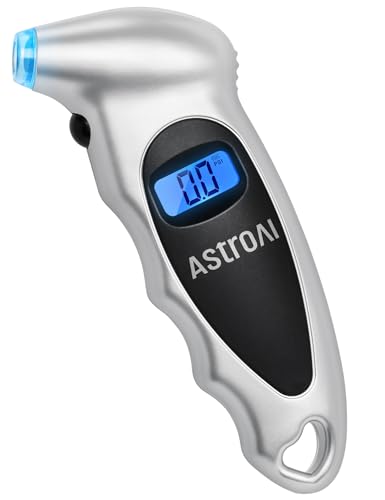
- Tire pressure changes with temperature. Check pressure before each ride in cold weather, and consider a quality gauge. Our guide to tire pressure gear covers the options.
For broader context on tread types, see All-Terrain Tires: Tread, Road Trade-Offs and Snow and Off-Road Tires Explained: Types, Sizes and Load Ratings. If you are deciding whether a winter upgrade is worth the cost of a full vehicle change, Choosing an Off-Road Vehicle: SUV, Truck, ATV or UTV may help. For inflation and air tools, Best Portable Air Compressors for Off-Road Tires: 6 Compared is a useful companion.
FAQ
Can I use regular ATV tires in snow?
You can, but standard tires with shallow tread often lose traction on ice and packed snow. Dedicated or all-terrain snow-capable tires generally perform better in cold conditions.
Do I need studded tires for snow?
Studs add grip on ice, but they are not necessary for all winter riding. Check whether studs are legal on the trails or property you ride, and whether your tires are rated for them.
What tire pressure should I run in snow?
Follow the range in your owner’s manual. Many riders lower pressure slightly for more footprint and grip, but never go below the manufacturer’s minimum or exceed the sidewall maximum.
How do I know what size tire my ATV needs?
Check the existing tire markings, your owner’s manual and the placard on the machine. Match width, aspect ratio and rim diameter exactly, and confirm the load rating meets or exceeds the original.
Should I buy a full set or one tire at a time?
Replacing all four at once keeps handling predictable. If you must replace only some, keep matched pairs on each axle and check that tread depth is similar side to side.
Does tread wear faster in winter?
Tread wear depends more on pavement use, speed and terrain than on season. Cold weather does not wear tires faster on its own, but riding on exposed pavement or salted roads can shorten tread life.
When should I replace snow tires?
Replace them when tread is worn to the depth recommended by the manufacturer, when you see cracking, bulges or cuts in the sidewall, or when handling feels noticeably compromised. If you are unsure about the safety of a worn or damaged tire, consult a qualified tire technician or dealer.
Conclusion
The right snow tires for ATV use depend on where and how you ride. For mixed trail and snow riding, the ITP Ground Attack and Dunlop Ridge Runner offer versatility. Utility and property owners will likely find the Maxxis Bighorn a practical fit. Riders who plow or push through deep snow should look at the Kenda Bearclaw. Budget-minded riders on light snow may consider the Carlisle Trail Pro, while those wanting a premium performance tire can review the Bridgestone Battlecross. Whatever you choose, confirm size and load rating against your owner’s manual, keep axle pairs matched, and check tire pressure before every cold-weather ride.