As an Amazon Associate I earn from qualifying purchases. This page may contain affiliate links.
Choosing the right tire pressure for ATV tires is one of the simplest ways to improve traction, ride comfort and tire life, yet many riders run the same setting year-round without thinking about it. This review looks at the tire pressure products and tools that help you dial in those numbers, from dial gauges to on-trail deflators and portable compressors. It is written for riders who want to understand the trade-offs before spending money. Riders who mostly stick to graded trails, ride on pavement between sites, or never leave the farm track may find a basic gauge and the manufacturer’s recommended PSI is all they need. Riders who regularly tackle sand, mud, rocks or long trail rides will likely get more value from a dedicated deflator and a reliable compressor. Skip this guide if you already run a well-matched setup and only need tire recommendations for a specific machine.
Product Overview
The tire pressure category for ATVs is less a single product than a small toolkit. At the core are three types of gear: a pressure gauge to measure what is in the tire, a deflator or pressure-release tool to lower air quickly in the field, and an air compressor to add it back. Many riders also consider a tire pressure monitoring setup, though these are less common on ATVs than on cars.
The reason this matters is that tire pressure on an ATV is a trade-off. Lower pressure widens the contact patch and improves flotation in sand and soft ground, and it helps the tire conform to rocks and roots for better grip. Higher pressure keeps the tire stiffer, reduces the chance of rolling the bead off the rim during hard cornering, and improves stability on hardpack and pavement. Owner discussions consistently point to the same practical approach: run the manufacturer’s recommended PSI as a baseline, then adjust a few PSI up or down based on terrain and load.
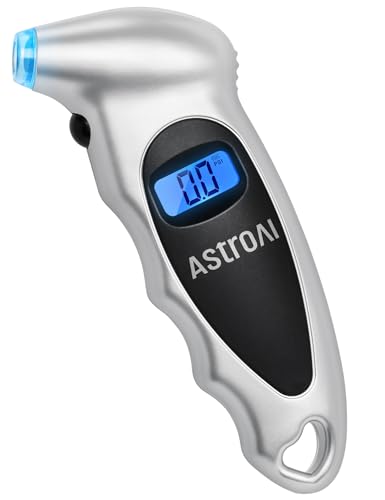
Most of the products in this space fall into a few categories. Digital and dial gauges are inexpensive and accurate enough for most riders when used with a consistent technique. Deflators, often mounted to the valve stem, let you release air in controlled increments without a gauge in hand, which is useful when you are trying to find the right setting on a trail. Portable 12-volt compressors, which plug into the machine or a battery, let you re-inflate after a deflation. Some manufacturers also offer on-board pressure monitoring on higher-end machines.
Key Features & Specifications
The table below summarizes typical specifications for the main tire pressure tools riders consider. Figures are drawn from common manufacturer specifications and should be confirmed on the product listing before purchase.
| Tool Type | Typical Pressure Range | Key Feature | Best Use |
|---|---|---|---|
| Dial or digital gauge | 0 to 60 PSI or similar | Direct reading of tire pressure | Setting baseline PSI before and after rides |
| Valve-stem deflator | Adjustable release in steps | Lets you drop air without a gauge | Trail riding in sand, mud or rock |
| 12-volt portable compressor | Commonly rated to around 35 to 150 PSI, depending on model | Plugs into 12-volt power for re-inflation | Restoring pressure after a trail run |
| Onboard monitoring | Varies by machine | Live readout on the dash or display | Riders who want constant pressure data |
When comparing products, check the maximum PSI rating, the accuracy stated by the manufacturer, the hose length and whether the unit includes a pressure-release function. Duty-cycle ratings matter for compressors: many portable units are designed for intermittent use and need cool-down time between fills. Confirm that any fitting or chuck matches your ATV’s valve stem type.
Pros & Cons
Pros
- A quality gauge gives you a consistent number to work from, which removes guesswork.
- Deflators let you adjust tire pressure on the trail without stopping to hunt for a gauge.
- Portable compressors allow re-inflation in the field, which is valuable on long rides.
- Dialing in pressure for terrain can noticeably improve traction in sand and loose dirt.
- Correct pressure helps reduce the risk of bead unseating and sidewall damage.
Cons
Performance Analysis
Performance depends on the terrain, the tire design and the rider’s weight and riding style. Owner feedback patterns are fairly consistent. Riders who run lower pressure in sand often report better flotation and fewer bogs, while riders in rocky terrain frequently mention improved traction and a more comfortable ride at reduced PSI. The trade-off appears when pressure drops too far: riders describe tires feeling squirmy in corners, sidewalls folding under load and a higher risk of pinching the tube or unseating the bead on rim strikes.
On hardpack, gravel and pavement, most owners report running closer to the upper end of the recommended range for steering response and stability. Mud-terrain and aggressive tread patterns often behave differently from all-terrain treads, so the same PSI can produce different results. Manufacturers typically publish a recommended range rather than a single number, and that range is a useful starting point.
Accuracy is the other key factor. A gauge that reads several PSI off can push you into a setting that is too soft or too firm without you realizing it. Checking your gauge against another known-good unit once in a while helps. For compressors, the practical performance question is how long it takes to reach your target pressure on your tire size, and whether it needs to rest. Riders with large-diameter tires should expect longer fill times than those on smaller tires.
Safety is part of performance. Running pressures well outside the manufacturer’s range, especially very low pressure with a tube, raises the risk of flats and rim damage. If you are unsure about the right setting for a specific machine or tire, consult the tire maker or a qualified dealer.
Who Should Buy This Product?
A basic gauge is a sensible purchase for nearly every ATV owner. It is the foundation for consistent maintenance and makes it easier to notice slow leaks or uneven wear. Riders who frequently run sand, mud or rock trails will benefit most from a deflator, since the ability to adjust pressure on the trail can make a real difference in traction. Riders who take long trips away from home should consider a portable compressor, because carrying a way to re-inflate reduces the chance of being stranded.
Riders who mostly stay on maintained trails at a consistent speed, or who ride a machine with a limited tire range, may not need the full kit. Those who only ride occasionally can often manage with a gauge and a trip to a gas station air pump. Budget-minded buyers can get good results from a gauge and a basic compressor, and premium options add features like faster fill times and better hose and fitting quality.
Buying Guide
Start with the manufacturer’s recommended PSI for your tire size and load, and treat that as your baseline. Decide how you ride. Sand and loose soil call for lower pressure to increase flotation. Rocky trails often benefit from moderate reductions for better conformity. Pavement and fast hardpack usually favor the higher end of the range.
- Choose a gauge with a range that comfortably covers your typical pressures and a readable scale.
- If you ride variable terrain, add a deflator that fits your valve stem and includes a way to release air in small increments.
- For longer trips, look at a 12-volt compressor with a hose length that reaches all four tires and a stated maximum PSI above your target.
- Confirm the chuck and fittings match your valve stems, and check whether the unit includes a carrying case or storage.
Several well-known options are worth comparing. A widely recognized dial gauge style is a practical starting point for everyday checks: View on Amazon. For on-trail adjustment, many riders look at valve-stem deflators such as the View on Amazon, which are designed for quick pressure release. For re-inflation, a portable unit like the View on Amazon is a common reference point among off-road riders.
For more on related gear, see Tire Pressure Gear: Gauges, Deflators, Compressors and Best Tire Deflators for Off-Road: 3 Rhino USA Models Compared. If you are weighing compressor options, Best Portable Air Compressors for Off-Road Tires: 6 Compared covers duty cycles and fill times in more depth. Tire construction also affects the pressure you should run, so Off-Road Tires Explained: Types, Sizes and Load Ratings is worth reading before you settle on a setting.
FAQ
What tire pressure should I run in my ATV tires?
Start with the number printed on the tire sidewall or in your owner’s manual, which gives the maximum pressure, and the manufacturer’s recommended range for your machine. Use that as a baseline, then adjust slightly for terrain and load.
Is lower tire pressure always better for sand?
Lower pressure generally increases flotation in sand, but going too low can cause the tire to roll off the rim or the sidewall to fold. Reduce in small steps and check the bead and tread after each change.
How often should I check ATV tire pressure?
Check before every ride, since temperature changes and small leaks can shift pressure noticeably. Recheck after you adjust for terrain, and again after a long run, because tires warm up and the reading may rise.
Does temperature affect ATV tire pressure?
Yes. Air contracts in cold weather and expands when warm, so pressure can drop overnight and rise during a ride. Set pressure when tires are cold for the most consistent results.
Can I use a car tire gauge on an ATV?
A standard gauge will work if its range and accuracy suit your target pressures. Many riders prefer a gauge with a low-end scale for fine adjustments below about 10 PSI.
Do I need a deflator if I already have a compressor?
A compressor adds air but does not release it quickly. A deflator is useful for lowering pressure on the trail without carrying a gauge in your hand, so the two tools complement each other.
What is the risk of running tires at very low pressure?
Very low pressure raises the chance of a bead coming off the rim, pinching a tube and damaging the sidewall, especially on hard impacts. If you are unsure of a safe minimum for your tire and machine, consult the tire manufacturer or a qualified dealer.
Final Verdict
For most ATV owners, tire pressure management starts with a reliable gauge and a habit of checking before every ride. Riders who regularly adjust for sand, mud or rock will find a deflator a worthwhile addition, and anyone who rides far from home should carry a portable compressor. The best setup is the one that matches how you actually ride, and the manufacturer’s recommended range is the sensible place to begin. For a compact everyday option, consider the View on Amazon as a starting point.