By Lauren Holland
Updated November 2026
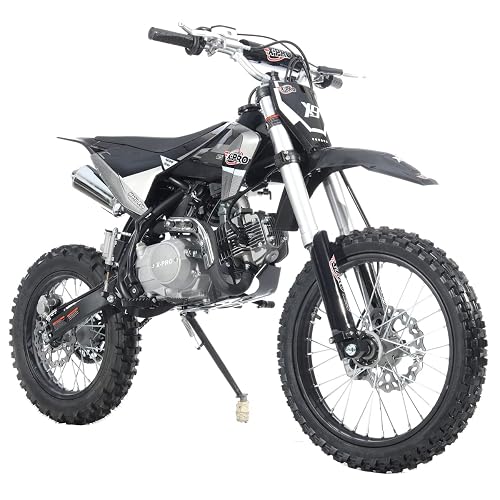
The Sur-Ron Light Bee X electric dirt bike is a lightweight, battery-powered off-road motorcycle built for trail riding, woods work, and youth or lighter-weight adult riders. This guide explains what the bike is, how to judge whether it fits your riding, how to set it up and maintain it safely, and which mistakes new owners tend to make. By the end you should be able to decide whether the Light Bee X suits you and know the first steps to riding it well.
What the Sur-Ron Light Bee X Is and Who It Suits
The Light Bee X is an electric motocross-style bike from Sur-Ron, a manufacturer known for compact electric off-road motorcycles. It uses an electric motor with no clutch, no shifting, and no exhaust, which makes it quiet compared with a gas dirt bike and simple to ride. Owners often describe the throttle response as immediate, so smooth throttle control matters more than it would on a four-stroke.
Shopping for one? See our guide: Rzr Electric Dirt Bike (2026): Which Should You Choose?.
Because electric motors deliver torque from a standstill, the bike can feel more powerful than its size suggests. That is part of its appeal for trail riders and for riders who want to learn throttle control in a controlled way. It is also a fit for riders who ride in areas with noise limits or who want to ride without fueling and oil changes.
Riders who tend to get the most out of it
- Riders moving up from a balance bike or small kids’ bike who want a lightweight machine
- Smaller-framed adults looking for a trail bike that is easy to handle on technical terrain
- Riders in noise-restricted areas, or on private land where a quiet bike is preferred
- Parents who want a bike they can supervise closely, with settings that can be adjusted
Riders who may want a different bike
- Riders who need long single-ride range on a full day of racing or hard enduro
- Riders who want to ride on public roads (the bike is designed for off-road use, and road registration rules vary by state)
- Adults who need a larger frame or more top-end speed than this platform provides
Checking Fit, Ergonomics, and Ride Settings Before Your First Ride
Before riding, confirm the bike fits the rider. Sit on it with feet flat or nearly flat on the ground, and check that the rider can reach the controls without stretching. A bike that is too tall or too heavy for the rider will be harder to control in tight turns and on slow climbs, which is when most low-speed drops happen.
Step-by-step fit check
- Stand the bike upright with the kickstand up or the bike held by a helper.
- Have the rider straddle the seat with both feet on the pegs and try to put a foot down.
- Check that the rider can touch the ground with the balls of both feet while seated.
- Reach both grips and confirm the brake and clutch-style lever (if fitted) are easy to pull with two fingers.
- Check the handlebar height and reach by standing in a riding stance; elbows should bend slightly.
Adjusting power delivery
Many electric bikes in this category let you change power modes or limit top output. Start in the lowest or most conservative mode for the first few rides. Learn how the bike responds at low throttle before increasing output. If your model supports a speed or power limit, set it to a level the rider can manage consistently, then raise it only after the rider demonstrates steady control.
Charging, Battery Care, and Range Expectations
The battery is the most important and most expensive component to look after. Real range depends on rider weight, terrain, throttle habits, temperature, and the power mode in use. Owners often report that aggressive riding in deep sand or on steep climbs reduces range noticeably compared with easy trail riding. Plan rides with a margin rather than trying to run the battery to empty.
Charging routine
- Charge at room temperature when possible. Avoid charging a hot battery straight after a hard ride.
- Use the charger supplied by the manufacturer, or a replacement that is specified for the battery.
- Do not leave the battery on the charger for long periods after it reaches full charge unless the charger is designed for that.
- Store the battery in a cool, dry place at partial charge if the bike will sit for several weeks, following the manufacturer’s storage guidance.
Protecting the battery
- Avoid fully draining the battery repeatedly; stop riding when the bike signals low charge.
- Keep water away from the battery compartment and connectors; check seals after wet rides.
- Do not charge a battery that has been submerged, crashed hard, or shows swelling. Have it inspected first.
Routine Maintenance That Keeps the Bike Running Well
An electric dirt bike has far fewer moving parts than a gas bike, but it still needs regular attention. Most of the work is in the chassis, suspension, tires, drive chain or belt, and electrical connections. Consult the owner’s manual for intervals, since they vary by model and by how hard the bike is ridden.
Pre-ride checklist
- Tire pressure and tread condition
- Brake lever feel and pad thickness
- Throttle return and smooth operation
- Chain or belt tension and lubrication (if chain-driven)
- Bolts on the handlebars, levers, axles, and footpegs
- Suspension sag and any leaks at seals
- Battery connector and charge level
Post-ride care
- Wash mud and sand off the bike with low-pressure water, keeping spray away from the motor housing, controller, and battery connectors.
- Dry connectors and check for grit or water intrusion.
- Clean and lubricate the drive chain if your model uses one.
- Inspect the brake pads and rotor for wear and damage.
- Charge the battery to the level recommended for storage if the bike will sit.
Safety Gear and Riding Technique
Electric or gas, a dirt bike puts the rider in an environment where falls are common. The right protection and some basic technique reduce the chance of serious injury. Riding a quiet bike can also make riders less aware of nearby people and animals, so keep a steady lookout.
Minimum protective gear
- A DOT-approved helmet that fits snugly, with a goggles-compatible design
- Over-the-ankle boots designed for motocross or trail riding
- Gloves with palm protection
- Chest or neck protection, plus knee and shin guards for technical riding
- Long pants and a long-sleeve jersey
Technique basics
- Stand on the pegs with knees bent and elbows up, so the bike can move under you.
- Apply throttle gradually. Because electric torque is instant, a sudden twist can cause a wheelie or loss of balance.
- Use the rear brake to control speed in corners and the front brake for stopping. Practice both in an open area first.
- Look where you want to go, not at the obstacle you want to avoid.
Common Mistakes
- Running the battery flat. This shortens battery life. Plan routes with enough margin to return.
- Riding at full power on day one. Learn the throttle response in a low power mode first.
- Skipping the pre-ride check. Loose bolts and low tire pressure cause many avoidable problems.
- Pressure-washing the electrical components. Use gentle spray and keep it away from connectors.
- Riding without proper gear. Even low-speed trail falls can cause serious injury.
- Assuming it is legal on the road. Check local rules before riding on any public road or trail.
Tips for Getting the Most From the Bike
- Start on a flat, open practice area before tackling hills, ruts, or whoops.
- Keep a simple log of charge levels, ride time, and any issues. Patterns show up quickly.
- Ride with a group if possible, and follow the club-ride etiquette of keeping spacing and calling out hazards.
- Upgrade tires for your typical terrain. Sand, mud, and hardpack each call for different tread.
- Consider a spare set of charged batteries if your rides are long and you have the budget to do so.
Recommended gear
- Motocross or trail helmet with goggles-compatible design: Head protection is the first priority for any dirt bike rider, and a helmet that fits well and sits stable at speed reduces distraction. View on Amazon
- Over-the-ankle motocross boots: Good boots protect the ankles and feet during falls and give steady control of the pegs. View on Amazon
- Digital tire pressure gauge: Correct pressure affects traction, handling, and flat risk, and a reliable gauge makes the pre-ride check quick. View on Amazon
- Dirt bike chain lube: If your model uses a chain, regular lubrication keeps the drivetrain quiet and extends chain life. View on Amazon
FAQ
Is the Sur-Ron Light Bee X suitable for beginners?
It can be, especially for riders who are comfortable on a lightweight bike and who start in a low power mode on open ground. Beginners should take a riding course or ride with an experienced friend and wear full protective gear.
How far can it go on one charge?
Range depends on rider weight, terrain, throttle use, temperature, and power mode. Owners often report that easy trail riding goes much farther than hard riding in sand or on climbs, so test range on your own routes before planning long rides.
Can I ride it on public roads?
The bike is designed for off-road use. Whether it can be registered or ridden on public roads depends on your state and local laws, so check with your local motor vehicle agency before riding on any road.
How long does the battery last?
Battery life depends on charge cycles, storage conditions, and how deeply the battery is discharged each time. Following the manufacturer’s charging and storage guidance helps preserve capacity. Consult the owner’s manual or a qualified service technician for replacement guidance.
Does it need regular oil changes?
No. An electric motor does not use engine oil, so oil changes are not part of the routine. You still need to maintain the chain or belt, brakes, suspension, tires, and electrical connections.
Can it be ridden in the rain or through water?
Light rain is usually manageable, but deep water and heavy pressure washing can damage electrical components. Dry connectors after wet rides and check the owner’s manual for water-crossing limits.
What maintenance should I do before the first ride?
Check tire pressure, tighten all visible bolts, inspect the brakes, confirm throttle return, check chain tension if applicable, and make sure the battery is fully seated and charged. Follow the owner’s manual for any break-in or initial service steps.
Should I buy spare batteries?
For long rides or frequent use, a spare battery can extend riding time. Consider the battery cost and your typical ride length before buying, and buy from the manufacturer or an authorized dealer to ensure compatibility.
Conclusion
The Sur-Ron Light Bee X electric dirt bike suits riders who want a lightweight, quiet, and simple trail machine. Get the fit right, learn the power modes, and build a steady routine for charging, battery care, and pre-ride checks. Wear full protective gear, ride within your skill level, and check local rules before heading onto any road or shared trail.
Related reading
- Dirt Bike Razor Electric: What It Is and Whether It's Right for You
- 9 Best Childrens Electric Dirt Bikes (2026): Expert Picks
- 6 Best Electric Dirt Bikes for Adults Compared (2026)
- 6 Best Electric Dirt Bike Motorcycle Picks for Teens and Adults (2026)
- 5 Best Childs Electric Dirt Bikes (2026): Expert Picks
Ready to choose one?
About Lauren Holland
Lauren Holland is part of our editorial team and reviews and edits our ATV, UTV/side-by-side & dirt bikes guides, checking product details against manufacturer specifications and owner feedback.