As an Amazon Associate I earn from qualifying purchases. This page may contain affiliate links.
Choosing a childs electric dirt bike is less about finding the fastest machine and more about matching the bike to your child’s age, size and experience. Electric models are quiet, need no fuel mixing or pull-starting, and come with adjustable speed limits that let parents control the throttle while kids build confidence. The picks below were selected from manufacturer specifications, brand reputation and common owner feedback patterns. We focused on age-appropriate speed settings, seat height and weight, battery and charging details, braking systems and the availability of a parent-controlled mode. Use this list as a starting point, then compare the specs against your child’s height and weight before you buy.
Our Top Picks
Quick Comparison
| Product | Best for | Key feature |
|---|---|---|
| Razor MX350 Dirt Rocket | Experienced kids ages 13 and up | Higher top speed with chain drive |
| Razor MX500 Dirt Rocket | Teens with some riding experience | Larger frame and more power |
| Razor MX125 Dirt Rocket | Young riders starting out | Lower seat and slower speed options |
| Hyper Gogo Bugati 24V | Kids ages 3 to 7 learning balance | Parent remote control mode |
| Hiboy Moto Electric Dirt Bike | Middle-school riders on a budget | Adjustable speed and simple controls |
Razor MX125 Dirt Rocket
This model suits younger riders who are moving up from a balance bike or a smaller electric ride-on. Its lower seat and gentler throttle response make it a common choice for first-time riders who need a controlled introduction to off-road riding.
Key specs
- Designed for riders roughly 8 years and older (confirm the manufacturer’s age and weight limits)
- Electric motor with a chain drive system
- Rechargeable battery with a charger included
- Disc-style braking on the rear wheel
Pros
- Lower seat height helps smaller riders plant their feet
- Simple throttle and brake layout is easy to learn
- Lightweight frame is easier to lift and store
Cons
- Battery runtime is modest, so plan on multiple charges for longer sessions
- Not suitable for rough, steep terrain at higher speeds
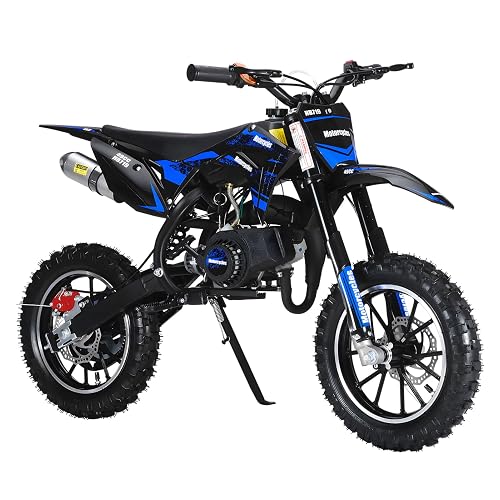
Hyper Gogo Bugati 24V
Designed for younger children who are still developing balance, this model is often chosen by parents who want a remote control option. The parent remote lets an adult stop or steer the bike, which can ease the first few sessions.
Key specs
- 24-volt electric system intended for light, supervised riding
- Parent remote control for stopping and steering
- Speed settings that can be adjusted for the rider’s skill
- Designed for children in the early elementary age range (check the manufacturer’s weight limit)
Pros
- Parent remote adds a layer of control for beginners
- Low speed setting suits young children learning to balance
- Good option for riding on flat or lightly rough ground
Cons
- Not built for aggressive trail riding or large jumps
- Owners often note that the remote range is limited, so keep the bike in sight
Hiboy Moto Electric Dirt Bike
This is a practical choice for middle-school riders who want a bike that can grow with them over a season. Its adjustable speed settings let a parent start low and increase the limit as the rider gains experience.
Key specs
- Electric motor with adjustable speed modes
- Rechargeable battery with a dedicated charger
- Front and rear braking
- Designed for riders in the middle-school age range (confirm weight limits before purchase)
Pros
- Speed modes give parents a simple way to set limits
- Straightforward controls with minimal setup
- Works well for practice on dirt paths and open yards
Cons
- Owners often report that tires can wear quickly on rough surfaces
- Battery life depends heavily on throttle use and terrain
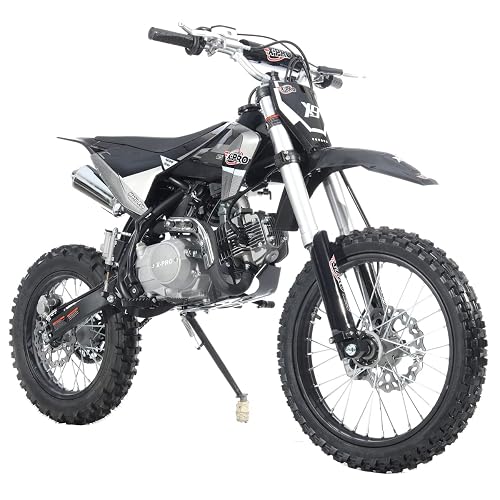
Razor MX350 Dirt Rocket
The MX350 is aimed at more experienced riders who have already mastered braking and throttle control. Its higher top speed and chain drive suit teens who ride regularly on open dirt tracks.
Key specs
- Designed for riders around 13 years and older (verify with the manufacturer)
- Higher top speed than entry-level Razor models
- Chain drive electric system
- Disc brakes on the rear wheel
Pros
- Good power for teens who have built solid riding skills
- Sturdy frame suited to dirt trails and uneven ground
- Clear performance step up from smaller Razor models
Cons
- Speed and power may be too much for a first-time rider
- Heavier than starter models, which can make it harder to handle for smaller riders
Razor MX500 Dirt Rocket
This larger model is designed for taller teens who need more room on the frame and more power for longer rides. It is a natural next step for riders who have outgrown smaller electric dirt bikes.
Key specs
- Larger frame and seat for taller riders
- Higher-output electric motor
- Rechargeable battery and charger included
- Rear disc braking system
Pros
- Roomy frame suits taller teens
- More power for hills and longer trail sections
- Durable build for regular dirt riding
Cons
- Not appropriate for younger or lighter children
- Heavier to lift and transport than smaller models
Buying Guide
Selection Criteria
When comparing a childs electric dirt bike, start with three questions: How old is the rider? How much riding experience do they have? Where will they ride? Answers to these questions narrow the field quickly. Manufacturers usually list an age range and a maximum rider weight. Treat these as firm limits, not suggestions, because a bike that is too large or too powerful can be hard to control.
Important Features
- Speed settings: Look for adjustable or limited speed modes so a parent can start slow.
- Braking: Rear disc or drum brakes are common on electric models. Front and rear braking gives more control on dirt.
- Seat height: Your child should be able to reach the ground with both feet flat or nearly flat when seated.
- Parent control: Remote stop or speed-limit features are useful for younger riders.
- Frame and tires: A sturdy frame and knobby tires improve traction on loose dirt.
Specs to Check
- Rider age range and maximum weight
- Top speed and whether speed modes can be adjusted
- Battery voltage and typical runtime per charge, as listed by the manufacturer
- Charging time and whether a charger is included
- Seat height and overall weight of the bike
- Type of braking system
Choosing by Need
- Young beginners (roughly ages 3 to 7): Choose a low-speed model with parent remote control.
- Early elementary and small kids: Look for a lower seat and gentler throttle, with a speed limit you can lower.
- Older kids and teens with experience: Higher-output models with chain drive and disc brakes make more sense.
- Taller teens: Check frame length and seat height to confirm fit.
Things to Watch Out For
- Do not buy a bike larger than the rider can comfortably handle, even if they want to grow into it.
- Battery runtime varies widely with rider weight, throttle use and terrain. Plan extra charging time.
- Always require a helmet and appropriate protective gear. Eye protection, gloves, boots and a chest protector are strongly recommended.
- Check local rules about where electric dirt bikes may be ridden, including trail access and public land restrictions.
- Follow the manufacturer’s charging instructions and never leave a charging battery unattended.
Consult a professional, such as a certified motorcycle or ATV safety instructor, if you have questions about sizing or about teaching a beginner.
FAQ
What age is right for a childs electric dirt bike?
Most manufacturers list age ranges that begin around 3 or 4 years for the smallest, lowest-speed models and extend to around 13 or 14 years for larger bikes. Always follow the age and weight limits printed by the manufacturer, since these reflect frame strength and motor output.
How fast do electric kids’ dirt bikes go?
Top speeds vary widely by model. Many starter bikes are limited to a low speed suitable for beginners, while teen models can go considerably faster. Look for adjustable speed modes so you can set a limit that matches your child’s skill.
How long does the battery last?
Runtime depends on the battery, the rider’s weight, throttle use and terrain. Manufacturers usually publish an estimated runtime, but real-world results often differ. Plan for shorter sessions on hills and rough ground.
Do electric dirt bikes need a license or registration?
Rules vary by state and by location. Many electric kids’ bikes are intended for private property or designated areas rather than public roads. Check your local regulations and the rules of any trail or park before riding.
What safety gear should my child wear?
At minimum, use a properly fitted helmet. Eye protection, gloves, over-the-ankle boots, long pants, long sleeves and a chest protector are strongly recommended. Good gear reduces the severity of common scrapes and falls.
Can a beginner learn on an electric dirt bike?
Yes, electric models are often easier for beginners because there is no clutch or gear shifting. Start in an open, flat area with a parent present, and practice braking and throttle control before trying hills or obstacles.
How do I maintain an electric dirt bike?
Check tire pressure, tighten bolts, clean the chain and keep the battery charged according to the manufacturer’s storage guidance. Store the battery in a cool, dry place and avoid fully draining it before recharging.
Conclusion
For the youngest riders, a low-speed model with parent remote control or adjustable limits is the safest place to begin. Early elementary riders often do well on a lightweight starter bike with a lower seat, while teens with real experience can move up to higher-output models with chain drive and disc brakes. Whatever you choose, match the bike to the rider’s age, weight and skill, confirm the speed settings, and make protective gear non-negotiable. A well-sized childs electric dirt bike, ridden in a safe area with supervision, makes a strong first step into off-road riding.