By Lauren Holland
Updated November 2026
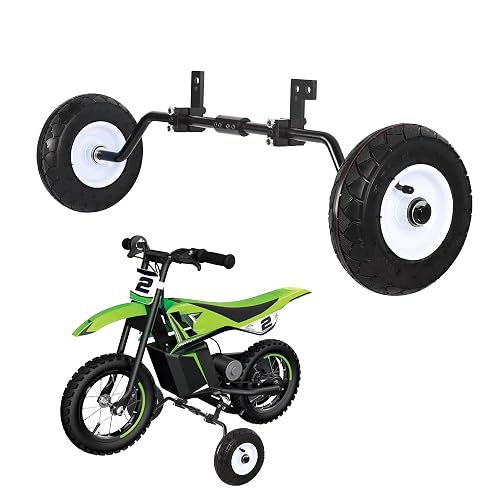
A razor motor dirt bike is a small, electric-powered off-road bike built around a Razor-style motor and drivetrain, usually aimed at younger riders. This guide explains what these bikes are, how to check whether one suits your rider and terrain, and what to look at before you commit. The goal is a clear yes or no, based on your rider’s size, skill and the places you plan to ride.
What a Razor Motor Dirt Bike Actually Is
Razor is best known for scooters, electric go-karts and kids’ ride-on vehicles. Its dirt-style models use a brushed or brushless electric motor, a battery pack and a chain drive, with a throttle controlled by the rider’s hand. Most are built for light trail use, backyard riding and small loops rather than full-speed motocross or long, rough desert runs.
Shopping for one? See our guide: Rzr Electric Dirt Bike (2026): Which Should You Choose?.
Because these bikes are electric, they are quiet and need no fuel, oil changes or carburetor work. That makes them simpler to maintain than a gas dirt bike, but it also means runtime and top speed are limited by the battery and motor.
Check the Specs That Matter for Your Rider
Before comparing models, confirm the details the manufacturer publishes for each one. Focus on these:
- Rider weight limit: Exceeding it strains the frame, brakes and motor.
- Seat height and reach: Your rider should be able to get both feet flat or near flat on the ground when stopped.
- Top speed setting: Many models offer a speed limiter or lower mode for beginners. Use it.
- Battery run time and charge time: Plan on one charge per session and a full recharge before the next ride.
- Brake type: Confirm both front and rear brakes, and test that they stop the bike reliably.
Step-by-Step: Deciding If a Razor-Style Bike Fits Your Plans
- Define the terrain. Flat yards, paved paths and gentle dirt tracks suit these bikes. Steep hills, deep mud and rocky trails usually do not.
- Measure your rider. Check height, inseam and weight against the manufacturer’s charts. Our Youth Riding Gear Size Chart: How to Measure Your Kid for ATV and Dirt Bike Gear explains the measurements in detail.
- Match the speed to skill. A new rider should start in the lowest mode and move up only after months of confident control.
- Plan the charging routine. Keep a second battery or a charging schedule so the rider is not stuck waiting.
- Budget for protective gear. Helmet, goggles, gloves, boots and a chest protector matter more than the bike itself for injury prevention. See Youth Protective Riding Gear: 6 Essentials for Safe ATV and Dirt Bike Rides.
Razor Motor Dirt Bike vs. Gas and Other Electric Options
Compare the main differences before deciding:
| Factor | Razor-style electric | Gas youth dirt bike |
|---|---|---|
| Maintenance | Battery care, chain and brake checks | Oil, air filter, carburetor and valve work |
| Noise | Very quiet | Loud, often needs a noise-friendly area |
| Power and range | Limited by battery; best for short sessions | Longer runs and more power when fueled |
| Terrain suitability | Light trails, yards, smooth tracks | Wider range, including rougher terrain |
For a broader look at the electric category, read Dirt Bike Razor Electric: What It Is and Whether It’s Right for You.
Common Mistakes to Avoid
- Buying a bike that is too big so the rider can “grow into it,” which hurts control and safety.
- Letting a beginner ride at top speed on day one.
- Skipping the pre-ride check of brakes, tire pressure, chain tension and battery connections.
- Riding without a properly fitted helmet and body protection.
- Charging batteries unattended or in hot, enclosed spaces. Follow the manufacturer’s charging instructions.
Recommended Gear
A proper helmet is the single most important purchase for any young rider. Look for a helmet that meets DOT certification and fits snugly with the chin strap secured. View on Amazon
Goggles keep dirt and debris out of the eyes on dusty trails and protect against branches. View on Amazon
FAQ
Is a razor motor dirt bike suitable for beginners?
Many younger beginners do well on these bikes, especially in low speed modes on flat or gently rolling ground. Always check the rider weight and age limits in the manufacturer’s manual.
How long does a charge last?
Run time depends on battery size, rider weight, terrain and throttle use. Check the manufacturer’s stated run time and plan for shorter sessions on hills or rough ground.
Do I need a license or registration to ride one?
Rules vary by state and by where you ride. Private property is usually simpler, but check local ordinances and trail rules before riding on public land, and confirm details with your local authorities.
Conclusion
A razor motor dirt bike can be a practical, quiet entry point for a young rider on flat or lightly rough terrain. Match the bike’s rider limits and speed settings to your child’s size and skill, and invest in good protective gear. Before you buy, confirm current specifications and safety guidance with the manufacturer.
Related reading
- Dirt Bike Razor Electric: What It Is and Whether It's Right for You
- Youth Riding Gear Size Chart: How to Measure Your Kid for ATV and Dirt Bike Gear
- Yamaha Dirt Bike Riding Gear: 3 Best Picks for Trail and Track (2026)
Ready to choose one?
About Lauren Holland
Lauren Holland is part of our editorial team and reviews and edits our ATV, UTV/side-by-side & dirt bikes guides, checking product details against manufacturer specifications and owner feedback.