 By Graham Fisher
Updated November 2026
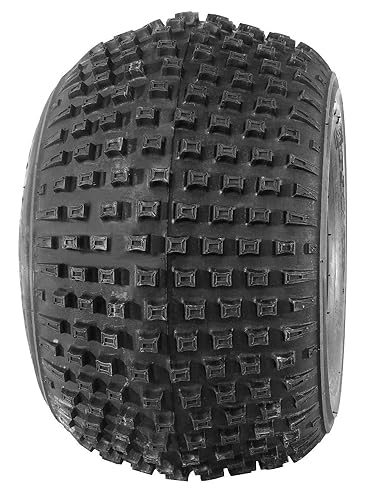
If you are looking at atv mud tires 27x10x12, this guide will help you confirm that the size fits your machine, understand what the numbers on the sidewall mean, and pick a tread and construction that suits how you actually ride. By the end, you will have a short checklist for buying, mounting and running a set of 27-inch tires in mud, sand and rocky trail conditions.
What the 27x10x12 Size Means
A tire size like 27x10x12 is read in a fixed order. The first number is the overall diameter in inches, the second is the section width in inches, and the last number is the rim diameter in inches. So a 27x10x12 tire is about 27 inches tall, about 10 inches wide at the tread, and designed to mount on a 12-inch wheel.
Those three numbers are only the starting point. Two tires with identical dimensions can have different load ratings, ply counts and tread compounds, so the size tells you whether a tire will physically fit, not how it will perform.
Metric and Mixed Sizing
Some manufacturers list the same tire in metric millimeters, and a few list diameter and width differently. Convert before you compare. A 27-inch tire is roughly 686 mm tall, and a 10-inch width is about 254 mm. If a listing does not show the full three-number size, check the manufacturer’s spec sheet before you buy.
Step 1: Confirm Your Machine Will Accept 27x10x12 Tires
Fitment is the first thing to verify. A 27x10x12 tire on a 12-inch rim needs clearance in the fenders, the A-arms, the brake calipers and the steering components. Many ATVs in this class are built around 25- or 26-inch stock tires, so a 27-inch set can rub on lock or during suspension compression.
- Check your owner’s manual for the approved tire sizes and rim width range.
- Measure the current tire’s overall diameter with the machine on level ground and the rider seated, and compare it to the new size.
- Look at the inner fender and A-arm clearance with the wheel turned fully left and right.
- Confirm the rim width is compatible with a 10-inch section width. Most 12-inch rims are rated for a range, and the tire manufacturer will list it.
- Ask a dealer or an experienced technician to check rub points if you plan to lift the machine or run a large tread.
Step 2: Choose the Right Tread for Mud
Mud tread is built around deep, widely spaced lugs that claw into soft ground and shed material as the wheel turns. The right choice depends on what you ride most. A tread that clears mud well can feel vague on hardpack, and a tread built for hardpack can pack up quickly in thick muck.
Lug Depth and Spacing
Deeper lugs give more bite in soft terrain but can flex more on pavement or rock, which makes them less stable in corners at speed. Wider spacing helps the tire self-clean. Tight, shallow patterns are better for mixed riding and quieter handling.
Mud-Specific Features
Look for tread that is open at the shoulder, not just at the center. Shoulder lugs keep the tire from building up mud on the outside edges, where a lot of traction is generated during turns. Some designs also include stepped or staggered lugs to reduce noise and improve grip on mixed surfaces.
Step 3: Check Construction and Ply Rating
The construction tells you how the tire will handle load, heat and sidewall punctures. Most mud tires in this size are either bias-ply or radial. Bias-ply tires have sidewalls that flex more and tend to feel softer; radial designs usually have a stiffer, more stable sidewall and better long-distance comfort.
Ply rating is printed on the sidewall as a number followed by “PR.” A higher ply count generally means a tougher sidewall for rock and branch strikes. Manufacturers specify the maximum load and pressure for each rating, so do not exceed those limits.
Sidewall Markings to Read
- Load index and speed rating, if listed
- Maximum inflation pressure in PSI or kPa
- Ply rating (PR) and construction type
- DOT code and date of manufacture
- Rotation arrow, if the tread is directional
Step 4: Set Tire Pressure for Mud and Trail
Pressure is the most overlooked setting on an ATV tire. Lower pressures increase the contact patch and help the tire wrap around obstacles, but too low and the bead can unseat or the sidewall can roll and fold. Owners often report that running a few PSI less in deep mud improves traction, then raising pressure again for trail or hardpack.
Start at the pressure listed in your owner’s manual for the tire and load you run. Adjust in small steps and recheck after every ride. Always check pressure with a gauge when the tires are cold. For a fuller breakdown of PSI ranges and how to adjust them for different terrain, see Tire Pressure for ATV Tires: How to Set the Right PSI for Trail and Mud.
Step 5: Mount, Balance and Break In the Tires
Mounting 27-inch tires on 12-inch rims requires a proper bead-breaker and tire machine. Do not try to force a bead with improvised tools. Lubricate the bead with a tire-mounting compound, not petroleum-based grease, which can degrade the rubber.
- Clean the rim bead seats and inspect the rim for damage or rust.
- Lubricate both tire beads and seat them evenly.
- Inflate slowly to seat the beads, watching for even seating all the way around.
- Balance each wheel. Unbalanced 27-inch tires can cause vibration at speed and wear suspension parts faster.
- Recheck pressure after the first short ride and again after 10 to 15 miles of break-in.
Recommended Gear
A few supporting items make 27x10x12 mud tires easier to live with, especially when you run them hard.
- Tire pressure gauge with a dial or digital readout: Accurate low-pressure readings matter more than high-range accuracy for mud setups. View on Amazon
- Portable tire inflator with auto shut-off: Lets you refill after airing down for trail or top off for highway runs. View on Amazon
- Tire bead lubricant for mounting: Designed for mounting and seating beads without damaging the rubber. View on Amazon
Common Mistakes to Avoid
- Buying by the size alone without checking fender, A-arm and brake clearance.
- Running a deep mud tread on a machine you mostly ride on hardpack, which can feel unstable in fast corners.
- Airing down too far and letting the bead unseat or the sidewall roll.
- Ignoring the ply rating and load index when carrying gear or a passenger.
- Mounting tires with petroleum-based lubricants that can damage the bead.
- Skipping balance on 27-inch tires, which leads to vibration and uneven wear.
Tips for Better Mud Performance
- Walk the trail before you ride it, and pick lines where the mud is thinner or firmer.
- Check tire pressure after every ride, since heat and terrain change it quickly.
- Clean the tires and wheel wells after muddy rides to prevent debris from building up and rubbing.
- Rotate tires according to the manufacturer’s guidance if the tread is not directional.
- If you ride with a club, agree on a pace and spacing so no one is forced to chase traction through a rut.
If you are still comparing specific brands and tread designs in this size, the 6 Best 27x10x12 ATV Tires Set of 4 for Trail and Mud (2026) roundup covers several options side by side. For tread-pattern tradeoffs, Most Aggressive ATV Tires: How to Pick the Right Tread for Mud and Trail (2026) explains how to match lug style to your riding.
FAQ
Will 27x10x12 tires fit any 12-inch ATV rim?
Not always. The tire size must match the rim diameter, but the rim width must also fall within the tire’s approved range. Check the tire manufacturer’s rim width listing and your machine’s manual before buying.
Do I need to change gearing or suspension for 27-inch tires?
Larger tires change effective final drive ratio and ground clearance. Many riders notice slower acceleration and a taller stance. Whether you need to adjust gearing or suspension depends on your machine, so consult a qualified ATV technician before making those changes.
What tire pressure should I run in mud?
Start with the manufacturer’s recommended pressure, then drop in small steps for deep mud. Never go below the minimum the tire maker or your owner’s manual specifies, and recheck pressure after each ride.
Are radial or bias-ply tires better for mud?
Both can work. Bias-ply tires often flex more and can feel softer in mud, while radials are usually more stable and comfortable on mixed terrain. Choose based on how you split your time between mud, trail and pavement.
How do I know the load rating is enough?
Compare the tire’s load index and ply rating to the machine’s weight plus rider, cargo and any accessories. Do not exceed the maximum load listed on the sidewall or in the spec sheet.
Can I balance 27-inch tires at home?
Balancing requires specialized equipment. Many shops offer wheel balancing, and an experienced technician can confirm the result. Unbalanced large tires can cause vibration and uneven suspension wear.
How often should I check the tires?
Check pressure before every ride and inspect for cuts, bulges, uneven wear and loose lug nuts or bolts afterward. Replace tires that show sidewall damage, exposed cords or tread wear beyond the manufacturer’s guidance.
Is professional help needed for mounting?
For 27-inch tires on 12-inch rims, a tire shop with proper equipment is the safer choice. Tire mounting can be dangerous if the bead seats incorrectly, so consult a professional if you are not experienced with the process.
Conclusion
Choosing atv mud tires 27x10x12 comes down to confirming fitment, matching the tread to your riding, reading the sidewall for load and construction, and keeping pressure and balance in check. Take your time with clearance checks and mounting, since those steps prevent most problems. Once the set is on, adjust pressure to the terrain and inspect the tires after every ride.
Ready to choose one?
About Graham Fisher
Graham Fisher is part of our editorial team and reviews and edits our ATV, UTV/side-by-side & dirt bikes guides, checking product details against manufacturer specifications and owner feedback.