As an Amazon Associate I earn from qualifying purchases. This page may contain affiliate links.
If you are weighing a rzr electric dirt bike against a traditional gas-powered Polaris RZR, the short answer is this: the RZR wins for trail riders who want passengers, cargo room, and long days in the backcountry, while an electric dirt bike suits solo riders who value quiet operation, instant torque, and low maintenance on shorter loops. Both can be fun, but they serve very different riders.
Throughout this comparison, “rzr electric dirt bike” is used as a shorthand for the category of electric off-road motorcycles riders often cross-shop against Polaris side-by-sides. Our focus is on the trade-offs that actually affect a rider on the trail: range, power delivery, carrying capacity, and ongoing care.
Quick Comparison Table
| Criterion | Polaris RZR (side-by-side) | Electric dirt bike |
|---|---|---|
| Seating | Two to four seats, depending on model | Single rider |
| Power source | Gasoline, four-stroke engine | Lithium-ion battery and electric motor |
| Typical range per charge or tank | Driven by fuel tank capacity and throttle use | Driven by battery capacity; varies widely with terrain and rider weight |
| Refueling or recharging | Fill at a gas station in minutes | Recharge from a standard outlet or charger; plan for longer downtime |
| Noise level | Noticeable engine and exhaust sound | Very quiet, mostly drivetrain whine and wind |
| Cargo capacity | Bed or rear rack with significant hauling ability | Limited to small racks and soft bags |
| Maintenance | Oil changes, air filters, belt inspections, coolant service | Fewer moving parts; chain or belt care, tire and brake checks |
| Trail width and tracks | Fits wide trails and two-track; needs more room on tight singletrack | Fits singletrack and narrow paths with ease |
| Best rider profile | Families, hunters, groups, trail crews | Solo riders, trail purists, noise-restricted areas |
Seating and Passenger Capacity: Winner: Polaris RZR
This category is not close. A Polaris RZR is built to carry two or more people, with bucket seats, harnesses, and a roll cage designed for passengers. Owners who ride with children, spouses, or hunting partners rely on that capacity every weekend.
An electric dirt bike is designed for one rider. Some models have a rear seat or passenger peg, but most manufacturers specify solo use only, and the handling, weight distribution, and braking are tuned for a single person. If you regularly ride with someone else, a side-by-side is the practical choice.
Range and Endurance: Winner: Polaris RZR
Range is where the gas-powered machine pulls ahead for most riders. A RZR’s fuel tank lets you cover a full day of trail riding and refuel in a few minutes at any gas station. Owners who plan long loops or remote camp rides generally find this predictable.
Electric dirt bikes are limited by battery capacity, and real-world range depends heavily on terrain, throttle habits, rider weight, and temperature. Climbing steep hills, running in cold weather, or riding aggressively all reduce range noticeably. Manufacturers typically publish range figures under ideal conditions, so plan conservatively. Many riders carry a charger on longer trips, and some structure rides around a midday recharge break. Check the specific model’s documentation for accurate figures before planning a ride.
Power Delivery and Performance: Winner: Electric Dirt Bike
Electric motors produce full torque from a standstill, which gives an electric dirt bike a crisp throttle response that many riders find addictive. Getting up a loose hill or pulling away from a stop feels immediate, with no clutch engagement or engine rev needed.
The RZR delivers strong power as well, and its heavier build and four-wheel stability make it confident on rough ground and steep grades. Its power curve builds through the rev range, which some drivers prefer for controlled, predictable throttle work over rocks and ruts. For raw, instant acceleration on a lightweight machine, the electric dirt bike has the edge.
Noise and Trail Access: Winner: Electric Dirt Bike
Noise matters more than many riders expect. Electric dirt bikes are far quieter than gas machines, which helps you stay on good terms with landowners, neighbors, and other trail users, and makes wildlife viewing easier. Some trail systems and riding areas set decibel limits or restrict loud vehicles, and an electric bike is far more likely to be allowed.
The RZR is loud by comparison, especially with aftermarket exhaust. Many modern side-by-sides include factory noise control, but the engine remains audible at a distance. Always check local rules before riding in any area, since regulations on both types of machine vary by location.
Maintenance and Ongoing Care: Winner: Electric Dirt Bike
An electric motor has far fewer moving parts than a combustion engine. There are no oil changes, no spark plugs, no air filters to swap in dusty conditions, and no coolant to replace. Routine care focuses on drive chain or belt tension, tire pressure, brake pads, suspension, and battery health.
A RZR requires regular engine maintenance, including oil and filter changes, air filter cleaning or replacement, belt inspection, and coolant checks. The work is well documented and most owners handle the basics themselves, but it adds to the list. If you prefer a simpler ownership routine, the electric dirt bike is the stronger pick.
Weight, Handling, and Trail Fit: Winner: Electric Dirt Bike
A lighter electric dirt bike is easier to maneuver on tight singletrack, through tree gaps, and over technical sections where you need to balance the machine yourself. Standing up on the pegs and shifting body weight is part of the experience, and the bike rewards that skill.
The RZR is much wider and heavier, which gives it stability and a sense of security on uneven ground. It also means it needs more room on narrow trails and can be harder to recover if it tips. Riders who value confidence and sheer capability over agility will prefer the side-by-side.
Cargo and Utility: Winner: Polaris RZR
A RZR can haul gear, coolers, game, tools, and supplies in its bed or cargo box. Many owners use theirs for work on ranches, property maintenance, and hunting trips. The utility factor is a major reason people buy side-by-sides.
An electric dirt bike can carry a small backpack, a soft tail bag, or a compact rear rack, but it is not built for hauling. If your riding involves carrying equipment, the RZR is the better fit.
Which Should You Choose?
- Choose a Polaris RZR if you ride with passengers, need cargo capacity, cover long distances without planned charging stops, or use the machine for work as well as recreation.
- Choose an electric dirt bike if you ride alone, prefer agile handling on singletrack, want near-silent operation, or want minimal routine maintenance.
- Choose a RZR if you want a stable, all-weather machine that handles rough terrain confidently with a roll cage around you.
- Choose an electric dirt bike if your local trails restrict loud vehicles or you enjoy the challenge of balancing a lightweight machine on technical terrain.
- Consider both if your household has different riding styles. Many families keep a side-by-side for group rides and an electric bike for solo trail sessions.
Recommended Products
Below are the types of machines and popular models these comparisons usually point to. Always confirm specifications, legal use, and fit with the manufacturer before buying.
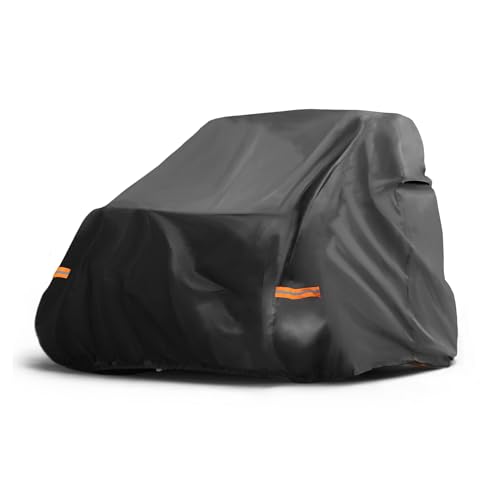
Polaris RZR: Polaris RZR side-by-side models are the reference point for the side-by-side category. View on Amazon
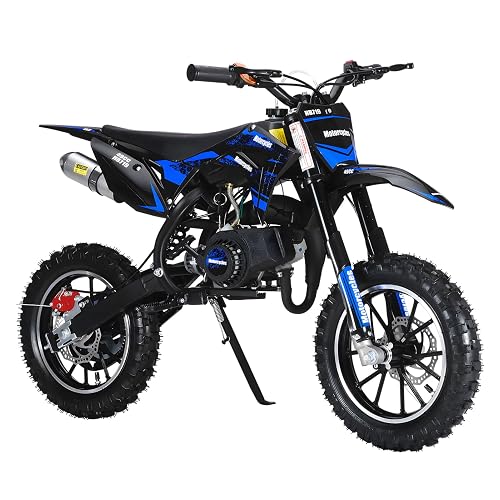
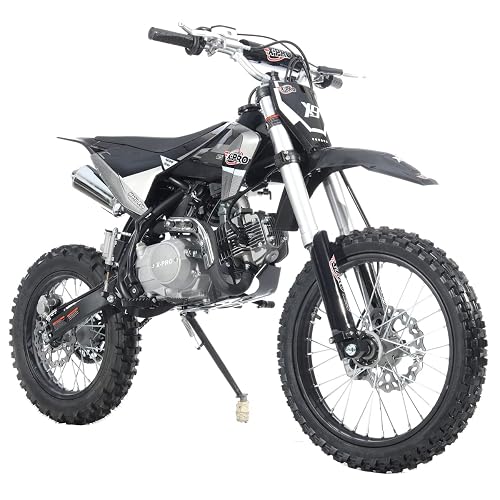
Electric dirt bike: Look for an electric motocross-style or trail model from an established maker, with a published battery capacity and charger included. View on Amazon
FAQ
Can an electric dirt bike keep up with a Polaris RZR on the trail?
On tight, technical singletrack an electric dirt bike often feels quicker and more nimble. On wide trails, long climbs with loads, or sustained high-speed runs, the RZR generally has more endurance and stability.
How far can a rzr electric dirt bike go on a single charge?
Range depends on battery size, terrain, rider weight, throttle use, and temperature. Check the manufacturer’s stated figures, then plan for less under hard riding conditions and leave a safety margin.
Is an electric dirt bike cheaper to maintain than a RZR?
Generally, yes. Electric motors have fewer service items than gas engines, so routine upkeep tends to be simpler. You still need to maintain tires, brakes, drivetrain components, and the battery.
Can I legally ride an electric dirt bike where I ride my RZR?
Not always. Rules on motorized vehicles vary by state, county, and land manager. Check the specific trail system, park, or private property rules, and confirm registration and any age or licensing requirements.
Which is safer for beginners?
A side-by-side with a roll cage and harness offers more protection in a rollover, but it also requires careful driving on slopes. An electric dirt bike demands balance and throttle control, so beginners should take a rider safety course and wear full protective gear. For individual medical or training questions, consult a qualified instructor or professional.
Conclusion
The Polaris RZR is the better all-around machine for families, groups, and riders who need passenger room, cargo space, and long range. The electric dirt bike is the stronger choice for solo riders who value quiet operation, agile handling, and low maintenance. Match the machine to how you actually ride, check local regulations, and take a training course before you head onto unfamiliar trails.