 By Lauren Holland
Updated November 2026
Yamaha street riding gear is the protective clothing and equipment you wear on pavement, from helmet and jacket to gloves, pants and boots. The right setup protects you in a crash, keeps you comfortable at speed and helps you stay alert in traffic. This guide walks through the seven essentials, how to check fit, and the mistakes riders make most often.
Why Yamaha Street Riding Gear Matters on Every Ride
Street riding puts you in close contact with cars, uneven pavement, gravel at intersections and the occasional wet manhole cover. Most motorcycle crashes involve a collision with another vehicle, and riders without protective gear are far more likely to suffer road rash, fractures and head injuries. Good yamaha street riding gear does not make you invincible, but it reduces the severity of most injuries and gives you better control in bad weather.
Shopping for one? See our guide: Cycle Gear Riding Pants: 7 Best Picks for Trail and Street Riders.
Whether you ride a naked standard, a sport bike or a cruiser, the principles are the same: a certified helmet, abrasion-resistant outerwear, gloves that let you work the controls, and footwear that protects your ankles and grips the pegs.
The 7 Essentials of Yamaha Street Riding Gear
- A DOT- or ECE-certified helmet. Look for the DOT sticker in the US or the ECE 22.06 mark in Europe. A full-face helmet offers the most coverage for street riding.
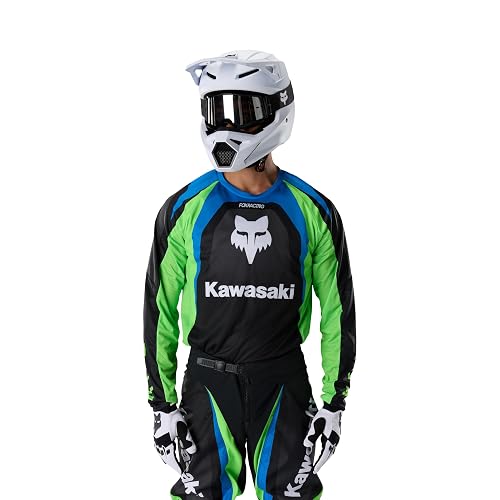
- Abrasion-resistant jacket. Leather or textile jackets rated for impact should have armor pockets at the shoulders, elbows and back.
- Riding pants with knee and hip armor. Jeans are not protective. Look for pants made from Cordura, leather or similar materials with CE-rated armor.
- Full-finger gloves. Gloves with palm sliders and reinforced knuckles protect your hands in a slide and still let you feel the clutch and brake.
- Over-the-ankle boots. Motorcycle boots with a sturdy sole, ankle protection and a non-slip heel are a much better choice than sneakers or work boots.
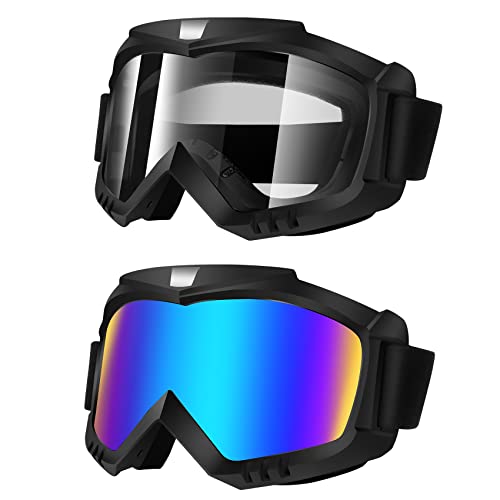
- Eye protection. A clear or tinted visor or goggles keep wind, bugs and debris out of your eyes. Some riders use a separate shield even with a full-face helmet.
- High-visibility layers. Reflective trim or a bright outer layer helps drivers see you, especially at dusk, at night and in rain.
How to Choose Yamaha Street Riding Gear That Fits
Fit matters as much as the protection rating. Gear that is too loose can shift or tear away in a crash, and gear that is too tight restricts movement and makes riding tiring.
Step 1: Measure Yourself
Use a soft tape measure. Check chest, waist, hip and inseam measurements, then compare them to the manufacturer’s size chart, since sizing varies between brands and between European and American cuts.
Step 2: Check the Helmet
A properly fitted helmet should be snug across the cheeks and forehead, with no pressure points. Shake your head side to side. If the helmet moves independently of your skull, try a smaller size.
Step 3: Test the Jacket and Pants in Riding Position
Sit on a chair or bike in a riding posture. The jacket should not ride up above your waistband, and the sleeves should cover your wrists when your arms are on the bars. Pants should stay in place when you bend forward.
Step 4: Try Gloves With the Controls
Squeeze the clutch and brake levers. Gloves should allow full finger movement without bunching at the knuckles.
Step 5: Confirm Boot Fit
Boots should fit snugly around the ankle and allow you to shift and brake comfortably. Check that the sole flexes where your foot bends and stays stiff under the arch for support.
Gear Comparison by Protection Level
| Gear | Main Protection | Key Feature to Look For |
|---|---|---|
| Full-face helmet | Head and face impact | DOT or ECE certification |
| Armored jacket | Shoulders, elbows, torso | CE-rated armor pockets |
| Riding pants | Hips, knees, abrasion | Cordura or leather shell |
| Full-finger gloves | Hands, wrists | Palm sliders and knuckle armor |
| Motorcycle boots | Ankles, feet | Over-the-ankle height |
| Visor or goggles | Eyes | Anti-fog and UV coating |
Common Mistakes to Avoid
- Wearing a helmet that is too big. It may come off on impact. Always check the fit before you ride.
- Relying on fashion gear. Textile or leather clothing without armor offers little protection in a slide.
- Ignoring weather gear. Cold hands and wet clothes reduce focus and grip. Layer for the temperature and carry rain protection.
- Replacing a helmet only after a visible crash. Helmet manufacturers generally advise replacing helmets after any significant impact, even if no damage shows.
- Keeping old armor. Armor can lose effectiveness with age and heavy use. Inspect it regularly and replace it when it is damaged or compressed.
Tips for Getting the Most From Your Gear
- Clean your helmet liner and visor with mild soap and water. Avoid harsh solvents that can degrade the shell.
- Store gear away from heat and direct sunlight to prevent material breakdown.
- Inspect zippers, stitching and closures before each ride.
- Ride with a group that wears matching high-visibility gear so you stay visible in traffic.
Recommended gear
Many riders start with a full-face helmet because it offers the broadest protection for street riding. A quality helmet should be the first purchase in your kit.
Textile jackets with armor pockets are a practical choice for riders who want all-weather flexibility and easy layering. Look for one that accepts CE-rated armor in the shoulders, elbows and back.
Gloves with palm sliders help protect your hands in a fall and still allow precise control of the clutch and brake levers. Try them on with your hands on the bars before buying.
Motorcycle boots with over-the-ankle protection and a non-slip sole are a reliable way to protect your feet and ankles. Choose a pair that fits snugly without pinching the toes.
Search for these items: View on Amazon, View on Amazon, View on Amazon, View on Amazon.
FAQ
What is the most important piece of yamaha street riding gear?
A properly fitted, certified helmet is the single most important item. It protects against head injuries, which are among the most serious outcomes of motorcycle crashes.
Do I need armor in my jacket and pants?
Armor is strongly recommended. CE-rated armor in the shoulders, elbows, hips and knees absorbs impact and reduces injury severity in a fall.
Can I wear regular jeans for street riding?
Regular jeans offer limited abrasion resistance and no impact protection. Riding pants made from Cordura or leather with armor are a much safer choice.
How often should I replace my helmet?
Replace it after any significant impact, and follow the manufacturer’s guidance on age. Many manufacturers suggest replacement every few years even without a crash.
How do I know if my gear fits correctly?
Check the manufacturer’s size chart, then test the fit in a riding position. Helmets should be snug without pressure points, and jackets and pants should stay in place when you bend forward.
Are high-visibility colors worth it?
Bright or reflective gear helps drivers spot you, especially at night and in poor weather. It is a useful addition to any street rider’s kit.
Should I consult a professional about my gear choices?
If you have an existing injury, a medical condition or specific fit concerns, consult a qualified professional such as a motorcycle safety instructor or a fitting specialist at a riding gear shop before buying.
Conclusion
Yamaha street riding gear works best when every piece is certified, properly sized and worn consistently on every ride. Start with a quality helmet, then build out armored outerwear, gloves and boots. Check fit regularly, replace damaged or aged items, and keep your gear in good condition so it protects you when you need it most.
Ready to choose one?
Related reading
About Lauren Holland
Lauren Holland is part of our editorial team and reviews and edits our ATV, UTV/side-by-side & dirt bikes guides, checking product details against manufacturer specifications and owner feedback.