 By Graham Fisher
Updated November 2026
Yamaha side by side UTVs cover everything from compact two-seat trail machines to full-size crew haulers built for work and long trips. This guide walks you through how to narrow the field by use, seating, engine, and features, so you end up with a machine that fits how you ride. By the end, you will have a short list of Yamaha models worth test-riding and a clear checklist for comparing them.
Step 1: Decide What You Will Use the UTV For
Before you look at any specs, define the job. A Yamaha built for trail riding with friends has different priorities than one used for property work, hunting access, or farm chores. Write down your top two or three uses, then match them to the categories below.
Shopping for one? See our guide: Side by Side Atv Utv (2026): Which Should You Choose?.
- Trail and recreation: Focus on suspension travel, comfort, and a ride that holds up over long days.
- Work and utility: Focus on cargo bed size, towing capacity, and low-end torque.
- Family and group riding: Focus on seating capacity, seat belts, and passenger comfort.
- Sport and performance: Focus on power, handling, and suspension tuning for faster terrain.
If you plan to share the machine with kids or inexperienced riders, read UTV and Side-by-Side Safety: Belts, Helmets, Passengers before you buy. Safety equipment and passenger rules should shape your decision from the start.
Step 2: Choose Seating Capacity and Layout
Yamaha offers side by sides in two-seat and four-seat configurations. Seating is one of the first filters because it limits everything else, including cargo space and how easily you can carry passengers.
Two-Seat Models
Two-seat units are easier to maneuver on tight trails and usually weigh less. They suit solo riders or a rider with one passenger. Cargo is limited to the bed, so plan for gear accordingly.
Four-Seat Models
Four-seat units add a rear bench and typically give you more room for gear and passengers. Owners often report that the extra length makes the machine feel more stable at speed but slightly harder to turn in narrow spaces. If you ride with a group, a four-seater is usually the more practical choice. For a deeper comparison of seating options across brands, see Side-by-Side UTV 4 Seater Buying Guide: 7 Factors That Matter (2026).
Step 3: Compare Engine and Drivetrain Options
Yamaha side by side UTVs use gasoline engines across most of their lineup, with differing displacements and power outputs. Power matters, but so does how the engine delivers it. Low-end torque is what pulls you up steep grades and through mud, while top speed matters more for open fields and fire roads.
Check these drivetrain details on any model you consider:
- Two-wheel drive versus four-wheel drive, and whether it is selectable on the fly
- Locking differentials, which help in deep mud and on steep, loose climbs
- Continuously variable transmission (CVT) versus a manual or sequential shift, along with any engine braking features
- Towing rating and hitch receiver, if you plan to pull trailers
Manufacturers publish towing and payload ratings in each model’s owner’s manual. Use those published numbers rather than estimates from forums, and never exceed them.
Step 4: Evaluate Suspension, Ground Clearance, and Tires
Suspension and tires affect comfort and control more than almost any other feature. Look at suspension travel measured in inches at each wheel, because longer travel absorbs bigger bumps and ruts. Ground clearance determines how much rock, stump, and debris the belly pan can clear before the chassis contacts the ground.
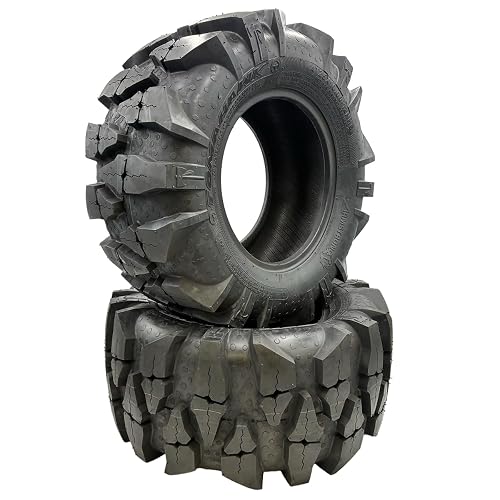
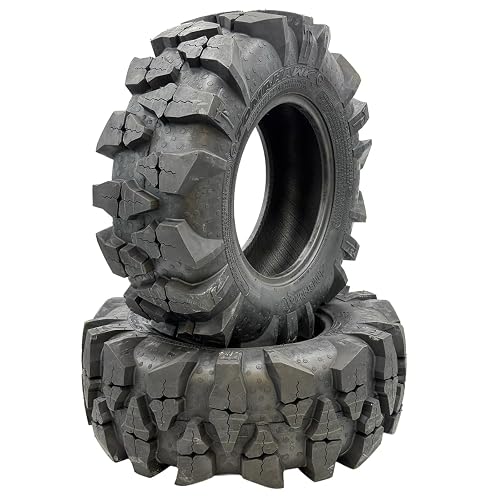
Tire size also changes the ride. Larger tires add clearance and traction but can reduce acceleration and change steering feel. The right balance depends on your terrain. For guidance on sizing and maintenance, read ATV & UTV Tires: How to Choose, Size and Maintain the Right Set.
Step 5: Check Cargo, Towing, and Storage
If you haul gear, measure the cargo bed length and width and note the dump or tilt capability if the model offers it. Check tie-down points and whether the bed has a rated load limit. Many riders also add a front cargo rack or a roof for extra storage, which can change the weight distribution, so confirm total load limits before you add accessories.
Step 6: Test the Ride and Check the Fit
Specifications only tell part of the story. Sit in the machine, reach the controls, and confirm that your feet rest comfortably on the floorboards. Check seat height, steering wheel reach, and visibility over the hood. If you are buying for a teen or a smaller adult, confirm that the seat belt and harness fit correctly and that the rider can operate the throttle, brake, and shifter without stretching.
Step 7: Compare Pricing Tiers and Value by Feature
Yamaha offers models at different levels of equipment. A budget pick usually comes with fewer features and a simpler suspension, while a premium option may add power steering, upgraded shocks, a larger cab, and more electronics. Compare what each step up actually adds to your use. A feature you will never use is not value.
Quick Comparison Table
| Factor | What to Look For | Best For |
|---|---|---|
| Seating | Two or four seats | Solo rider vs. group |
| Drivetrain | Selectable 4WD, locking diff | Mud, steep climbs |
| Suspension travel | Longer travel at each wheel | Rough trails, speed |
| Cargo bed | Length, rated load, tie-downs | Work and hauling |
| Towing rating | Published maximum from the manual | Trailer use |
| Ground clearance | Clearance under the belly pan | Rocks, stumps, ruts |
Pre-Purchase Checklist
- Define your top two or three uses.
- Choose two-seat or four-seat based on passengers and cargo.
- Confirm drivetrain type and locking differential availability.
- Check published towing and payload ratings in the owner’s manual.
- Compare suspension travel and ground clearance.
- Measure cargo bed dimensions and confirm tie-down points.
- Sit in the machine and verify reach, seat fit, and visibility.
- Confirm the machine meets the requirements of your local laws and trail rules.
Common Mistakes
- Buying on top speed alone. Low-end torque and suspension quality matter more on most trails.
- Ignoring payload limits. Adding a roof, racks, and a winch can push you over the rated load.
- Skipping the test ride. A machine that looks right on paper can feel awkward in the seat.
- Overlooking maintenance costs and schedules. Plan for oil changes, belt inspections, and tire wear from the start.
- Mismatching the machine to the rider. Oversized controls and power can be a problem for new or younger riders.
Tips for Getting the Most From Your Yamaha
- Keep the owner’s manual handy and follow the maintenance schedule it lists.
- Check tire pressure before every ride and adjust for load and terrain.
- Inspect the CVT belt and air intake regularly, especially after mud or sand riding.
- Ride with a buddy and carry basic recovery gear, including a tow strap and a first-aid kit.
- Take a formal riding course if you are new to side by sides.
Recommended Gear
- Helmet with a full face: A DOT-rated full-face helmet protects against impacts and debris. View on Amazon
- Four-point or five-point harness kit: Upgraded harnesses hold riders more securely than factory belts on rough terrain. View on Amazon
- Portable tire pressure gauge: Helps you set correct pressure before each ride, which affects traction and ride quality. View on Amazon
- Recovery strap kit: A rated tow strap and shackles give you a way out when the machine gets stuck. View on Amazon
FAQ
What is the difference between two-seat and four-seat Yamaha UTVs?
Two-seat models are shorter and easier to maneuver on tight trails. Four-seat models carry more passengers and typically offer more cargo room, though they can be harder to turn in narrow spaces.
Do Yamaha side by side UTVs come with four-wheel drive?
Many models offer selectable four-wheel drive, and some include locking differentials for extra traction. Check the specific model’s specifications to confirm.
How do I find the towing capacity for a Yamaha UTV?
Refer to the owner’s manual or the official Yamaha specifications for the exact model. Never exceed the published towing or payload rating.
Are Yamaha side by sides good for beginners?
They can be, especially smaller two-seat models with manageable power. Beginners should take a riding course and wear appropriate protective gear.
How often should I service my Yamaha UTV?
Follow the maintenance schedule in your owner’s manual. Oil changes, air filter checks, belt inspections, and brake inspections are typical items to track.
Can I add accessories to any Yamaha side by side?
Most models accept aftermarket accessories, but check payload limits and confirm that add-ons do not interfere with suspension travel, steering, or warning lights.
Where can I ride legally with a Yamaha side by side?
Rules vary by state, county, and land manager. Check local regulations for registration, passenger limits, and approved trails before you ride.
Conclusion
Choosing among Yamaha side by side UTVs comes down to matching seating, drivetrain, suspension, and cargo capacity to how you ride. Work through the steps above, compare the published specifications, and test-ride any model before you commit. A machine that fits your terrain and your passengers will be safer, more comfortable, and more enjoyable to own. Consult a professional dealer or certified technician for fit, setup, and any modifications.
Related reading
- 5 Best 4 Seat Side by Side UTVs for Families and Groups (2026)
- Kettlebell Side to Side Swing: Step-by-Step Form Guide for Riders
- Honda Side by Side Pioneer: 5 Best Accessories for Riders (2026)
Ready to choose one?
About Graham Fisher
Graham Fisher is part of our editorial team and reviews and edits our ATV, UTV/side-by-side & dirt bikes guides, checking product details against manufacturer specifications and owner feedback.