 By Graham Fisher
Updated November 2026
A utv electric side by side replaces the gasoline engine with a battery pack and electric motor, which changes how you charge, maintain and plan rides. This guide explains how these machines work, what specifications matter most, and how to match one to your terrain and use. By the end, you will know how to compare range, power delivery, battery and charging needs, and the maintenance a battery-powered UTV actually requires.
How an Electric UTV Differs From a Gas Side by Side
Most electric side-by-sides use a permanent magnet or AC induction motor connected to a single-speed reduction gearbox, often with a drive system that still resembles a conventional UTV. The major differences show up in torque, noise, fluids and fueling. Electric motors deliver peak torque from a standstill, so acceleration feels immediate, and there is no clutch-driven power band to learn. You also skip oil changes, spark plugs, air filter cleaning for the engine intake, and fuel system work.
Shopping for one? See our guide: Side by Side Atv Utv (2026): Which Should You Choose?.
The trade-off is energy storage. A gas UTV can refuel in a few minutes and carry enough fuel for a full day. An electric machine depends on battery capacity, which is usually listed in kilowatt-hours (kWh), and your real-world range shifts with terrain, load, speed and temperature.
Key Specifications to Compare
When you read spec sheets for a utv electric side by side, focus on a short list of numbers rather than headline top speed.
- Battery capacity (kWh): Larger packs give more range but add weight and charging time.
- Peak and continuous motor output (kW or hp): Continuous output tells you how the machine performs under sustained load, such as climbing a long grade.
- Rated payload and towing capacity: Check these against your typical load, including passengers, gear and any trailer.
- Charger type and charge time: Onboard chargers often plug into standard 120V outlets, but higher-amperage 240V charging is usually much faster. Confirm the time the manufacturer lists for a full charge from empty.
- Drive modes: Many electric UTVs offer eco or limp-style modes that cap power to extend range. Know how they change throttle response.
- Battery warranty and replacement policy: Battery packs are the most expensive component, so read the warranty terms carefully.
Planning Range for Real Riding Conditions
Manufacturer range figures are usually measured under controlled conditions at moderate speed. Owners often report that aggressive throttle use, steep hill climbs, deep mud, heavy loads and cold weather reduce range noticeably. Plan your rides around a conservative estimate rather than the best-case number.
Step 1: Measure Your Typical Route
Track one normal ride with a phone GPS app or the machine’s trip meter if it has one. Note total distance, elevation gain and average speed. Hilly loops consume far more energy than flat ones.
Step 2: Apply a Safety Margin
Take the manufacturer’s range, reduce it by a meaningful margin for your terrain and load, and keep at least 20 percent of the battery in reserve. Running a pack to zero on a trail can leave you stranded, and deep battery discharge can shorten pack life.
Step 3: Plan Charging Stops or Spare Power
If your loop exceeds comfortable range, plan a midday charge at a camp, a cabin with a 240V outlet, or a generator-powered charging setup. Some riders carry a portable power station sized for the onboard charger, though charge times will be longer.
Battery, Charging and Storage Basics
Lithium-ion packs are the norm in electric UTVs. Manufacturers generally specify charging and storage temperatures, and staying within those limits protects cell life. Avoid charging a freezing pack unless the manual explicitly allows it, and avoid storing a pack at full charge for long periods.
| Practice | Why It Matters | General Guideline |
|---|---|---|
| Storage charge level | Long storage at full or empty stresses cells | Follow the manual; many packs suggest a partial charge for storage |
| Storage temperature | Extreme heat or cold accelerates capacity loss | Store indoors in moderate temperatures when possible |
| Charging after rides | Prompt charging reduces time at low state of charge | Recharge soon after use rather than leaving the pack empty |
| Connector and cord care | Damaged connectors cause heat and faults | Inspect plugs for corrosion or melted pins before each charge |
Keep the battery area clean and check for mud packed around the pack housing and cooling channels. Most owners’ manuals also call for periodic inspection of high-voltage cables, which should be handled by a qualified technician if damaged. Battery and high-voltage work is hazardous, so consult a professional for anything beyond basic cleaning and visual checks.
Maintenance Checklist for an Electric UTV
An electric side-by-side eliminates many engine tasks, but it still needs regular attention.
- Check tire pressure and tread, since electric drivetrains put strong instant torque into the tires.
- Inspect brake pads, rotors and fluid levels as you would on any UTV.
- Grease suspension and steering joints on the interval the manufacturer specifies.
- Check the drive unit and reduction gearbox fluid level if your model uses it.
- Clean the battery compartment, cooling vents and charging port after muddy rides.
- Verify tightness of bolts on the battery mounts and high-voltage connections.
- Update the controller or software when the manufacturer releases an update.
- Test lights, horn, seat belts and any electronic drive modes before each trip.
Tools and Supplies Worth Having
Basic hand tools cover most roadside tasks. Add a digital multimeter for checking 12V accessory circuits, a tire gauge, a portable air compressor, a tow strap rated for the vehicle, and a first-aid kit. A spare fuse set matched to the manufacturer’s amperage ratings is also useful.
Common Mistakes
- Judging range from the sticker figure and riding a pack to empty.
- Ignoring the 20 percent reserve, which leaves no margin for a headwind, a detour or an unexpected climb.
- Charging immediately after a hard ride while the pack is still hot, instead of letting it cool first.
- Using a damaged or non-approved charger or extension cord.
- Storing the machine fully charged in a hot garage for months.
- Pressure washing directly into the battery housing, charge port or electrical connectors.
- Assuming electric drive means no mechanical maintenance; suspension, brakes and tires still need regular checks.
Tips for Riding With a Group
When riding with gas machines, electric UTVs can run on a different schedule. Agree on charging stops and shared turnaround points before you leave. Pair riders with similar range needs, and carry a tow strap so a low-battery machine can be pulled to a charge point rather than abandoned. Review the safety basics in UTV and Side-by-Side Safety: Belts, Helmets, Passengers before every group ride, since seat belts, passenger rules and helmet use apply regardless of power source.
If you are still deciding between powertrains, Side by Side Atv Utv (2026): Which Should You Choose? compares side-by-sides with ATVs, which can help you weigh the broader decision. For a wider look at machine types, Choosing an Off-Road Vehicle: SUV, Truck, ATV or UTV covers how each platform fits different terrain and tasks.
Tires and Traction
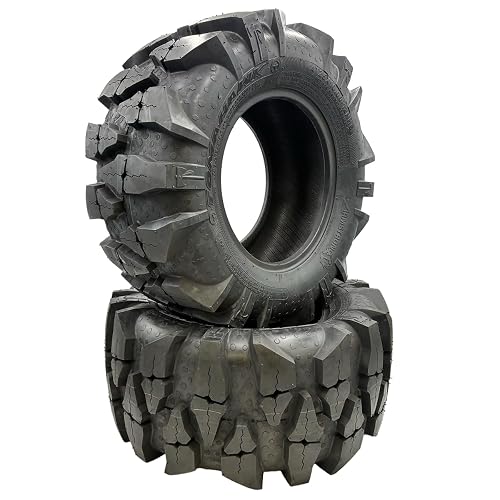
Electric UTVs often accelerate quickly from a stop, which makes tire choice more important. Review ATV & UTV Tires: How to Choose, Size and Maintain the Right Set to match tread pattern and load rating to your terrain. Lower pressures may help traction in sand or mud, but check the manufacturer’s recommended range to avoid bead or rim problems.
Recommended gear
- Portable power station: A battery-based power source can serve as backup charging at camp, though you should confirm its output matches the charger requirements in your manual. View on Amazon
- Digital tire pressure gauge: Accurate pressure readings matter more on electric machines because of instant torque. View on Amazon
- Portable tire inflator: Useful for returning to pressure after airing down on trails. View on Amazon
- Recovery tow strap: Keeps a low-battery machine recoverable without damaging the drivetrain. View on Amazon
FAQ
How far can a utv electric side by side go on one charge?
Range depends on battery size, terrain, load and speed. Plan around a conservative figure below the manufacturer’s rating, and keep a reserve of about 20 percent of the battery.
How long does it take to charge?
Charge time depends on pack size and charger output. Standard 120V charging is usually slow, while 240V charging is faster. Check the manufacturer’s listed time for a full charge from empty.
Do electric UTVs need oil changes?
Electric motors do not need engine oil changes, but gearbox fluid, brake fluid, coolant on models that use it, and suspension grease still need attention on the manufacturer’s schedule.
Can I tow with an electric side by side?
Many electric UTVs have a towing rating, but towing drains the battery faster. Confirm the rated towing capacity in the owner’s manual and reduce your expected range accordingly.
Is an electric UTV good for cold weather riding?
Cold temperatures reduce battery capacity and can limit charging. Owners often report shorter range in winter, so keep the pack warm before charging if the manual allows it and plan shorter routes.
Can I charge from a regular household outlet?
Most models include a standard charger that plugs into a 120V outlet, but it charges slowly. Use a properly rated outlet and extension cord, and avoid daisy-chaining cords.
Are electric side-by-sides safe to ride in mud or water?
Many are built to handle some water and mud, but submersion can damage the battery and electrical system. Check the manufacturer’s water-crossing depth limit and inspect the electrical components after deep wading.
Do I need a special license to ride one?
Requirements vary by state and local land-use rules, and many trail systems have their own age and equipment requirements. Check local regulations and consult your state’s off-road vehicle program before riding on public land.
Conclusion
A utv electric side by side offers instant torque, fewer engine tasks and quiet operation, but it requires careful range planning and attention to battery care. Measure your real routes, keep a sensible reserve, and follow the manufacturer’s charging and storage guidance. With those habits in place, an electric UTV can be a capable and low-maintenance machine for trail and work use.
Related reading
- UTV and Side-by-Side Safety: Belts, Helmets, Passengers
- 7 Best Side by Side Car Comparison Picks (2026): Buyer's Guide
- 5 Best Razor Side by Side 2 Seater Models (2026): Expert Picks
- Surron Light Bee X Electric Dirt Bike: Specs, Setup and Riding Guide
- Sur-Ron Light Bee X Electric Dirt Bike: Specs, Setup, and Buying Guide (2026)
Ready to choose one?
About Graham Fisher
Graham Fisher is part of our editorial team and reviews and edits our ATV, UTV/side-by-side & dirt bikes guides, checking product details against manufacturer specifications and owner feedback.