 By Graham Fisher
Updated November 2026
A side-by-side UTV 4 seater carries four people, usually two up front and two in a rear bench, and it is built for trail riding, hauling gear and group rides. This guide walks you through the factors that matter most when you compare models, from seat layout and safety gear to engine size, suspension and towing. By the end, you will know how to narrow your list and what to check on any machine before you sign the paperwork.
Why a 4 Seater Makes Sense for Some Riders
A four-passenger side-by-side is the right tool when you regularly ride with family, friends or a hunting party, or when you need a second person to spot, navigate or handle gear. The trade-off is size and weight. A 4 seater is longer, heavier and harder to fit through tight trails than a two-seat UTV, so it pays to be honest about how you actually ride before you commit.
Shopping for one? See our guide: 5 Best Razor Side by Side 2 Seater Models (2026): Expert Picks.
If you are still deciding between machine categories, the overview in Side by Side Atv Utv (2026): Which Should You Choose? covers how side-by-sides compare to ATVs. For a broader look at vehicle types, Choosing an Off-Road Vehicle: SUV, Truck, ATV or UTV is a useful companion read.
Step 1: Confirm the Seating Layout and Passenger Space
Not every 4 seater is built the same way. Some have a full rear bench, while others use two individual rear seats with a center gap. Before you test-sit anything, decide who will ride in back and for how long.
Check the Rear Seat Dimensions
- Measure the rear seat width. Many riders find 40 inches or more comfortable for two adults in winter gear.
- Check legroom behind the front seats, especially if the rear passengers are tall.
- Look at the grab handles and seat belt anchor points for each rear position.
Sit in the Machine Fully Geared
Climb in wearing your helmet and riding boots. A seat that feels fine in a shop can feel cramped once you add a thick jacket and a pack.
Step 2: Evaluate Safety Equipment Before Anything Else
Four people in one vehicle means four sets of safety needs. Every seat should have a harness or belt that fits the occupant, and every rider should wear a DOT-approved helmet. The guidance in UTV and Side-by-Side Safety: Belts, Helmets, Passengers is worth reading in full before your first group ride.
Key Safety Features to Look For
- Four-point or equivalent harnesses in all seating positions
- Roll cage or ROPS (roll-over protection) rated for the machine
- Doors or nets that keep arms and legs inside the cab
- Seat belt warning systems, if you want extra reminders
- Speed limiter or governor settings, useful for teen or inexperienced drivers
Manufacturers specify maximum occupant weight and passenger limits in the owner’s manual. Read those numbers and follow them. Overloading a 4 seater affects braking, steering and tire load.
Step 3: Compare Engine Size and Power Delivery
A 4 seater with a full load of passengers and cargo needs more torque than a light two-seater. Engine displacement is only part of the picture. Look at how the power is delivered, especially low in the rev range where most trail riding happens.
| Use Case | Typical Engine Range Owners Report | What to Prioritize |
|---|---|---|
| Light trail riding, mostly solo | Smaller displacement, under 600cc | Fuel economy and maneuverability |
| Full crew, mixed terrain | Mid-range, roughly 700cc to 1000cc | Low-end torque and throttle response |
| Heavy hauling or towing | Larger displacement, 1000cc and up | Cooling, transmission strength and hitch rating |
Ask the dealer about transmission type (CVT or gear-driven), low-range availability and drive system options such as 4WD with locking differentials.
Step 4: Check Suspension, Ground Clearance and Tires
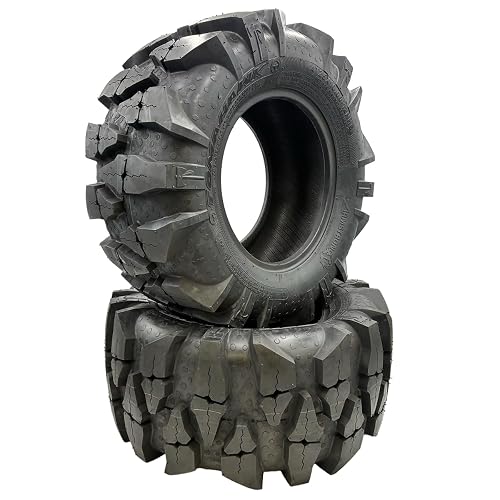
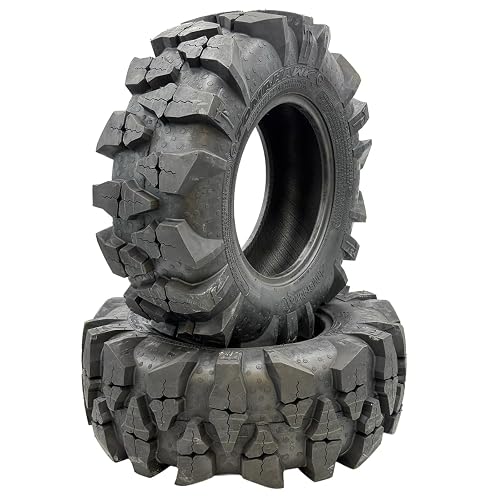
Suspension travel and ground clearance determine how the machine handles rocks, ruts and washouts with a full load. A 4 seater carries more weight at the rear, so check whether the rear suspension is tuned for passengers as well as cargo. Tire size matters too. Larger tires improve clearance but add weight and can change gearing. For guidance on sizing and maintenance, see ATV & UTV Tires: How to Choose, Size and Maintain the Right Set.
Step 5: Plan for Cargo and Towing Capacity
Most 4 seaters offer a bed or cargo box, but payload and towing numbers vary widely. Check three figures in the spec sheet: maximum bed load, towing capacity and hitch receiver rating. Do not assume that a machine rated for towing can pull a heavy trailer with four people on board. Combined weight changes braking distance significantly.
Step 6: Test Ride and Evaluate Comfort
A test ride reveals things no spec sheet does. Pay attention to steering effort, brake feel, seat bolstering and how the cab handles bumps with a passenger in back. Ask whether you can ride a loop with rear passengers, not just solo.
Test Ride Checklist
- Start the machine cold and listen for unusual noises.
- Confirm the parking brake holds on a slope.
- Drive at low and moderate speeds over uneven ground.
- Test the brakes at speed in a straight line.
- Check that the rear passengers can reach their grab handles without strain.
- Note how much cab noise and vibration you experience.
Step 7: Factor in Long-Term Ownership
Think past the purchase. Consider parts availability in your area, dealer service quality, warranty terms and how easily you can perform routine maintenance such as oil changes, air filter cleaning and belt inspection. A 4 seater has more moving parts and more weight on its drivetrain, so a service schedule you can keep matters.
Common Mistakes to Avoid
- Buying for occasional passengers when you ride solo most of the time, leading to an oversized machine.
- Ignoring the rear seat fit for taller riders.
- Assuming towing numbers apply with a full crew aboard.
- Skipping the test ride with a passenger in back.
- Overlooking helmet and harness requirements for every seat.
- Forgetting that a longer machine needs more room on trails and in trailers.
Recommended Gear
A few accessories make a 4 seater safer and more practical. The items below are common choices among riders.
- Helmets: A DOT-approved full-face helmet sized for each rider protects against impact and debris. View on Amazon
- Roof and cab enclosure: A hard or soft roof protects riders from sun and branches, and a full enclosure helps in cold or wet weather. View on Amazon
- Tie-down straps and cargo net: Secure bed loads to prevent shifting on rough trails. View on Amazon
- Portable air compressor: Useful for adjusting tire pressure after changing terrain. View on Amazon
FAQ
How many people can a side-by-side UTV 4 seater carry?
Most 4 seaters carry four occupants, but the total load must stay within the manufacturer’s maximum passenger and cargo weight. Check the owner’s manual for the exact limit.
Is a 4 seater harder to drive than a 2 seater?
It is heavier and longer, which affects turning radius and braking distance. Most riders adapt quickly, but practice on open ground before taking a full crew onto technical trails.
Do rear passengers need their own harnesses?
Yes. Every seating position should have a harness or belt that fits the occupant. Riders should buckle up before the machine moves.
Can I tow a trailer with a 4 seater UTV?
Many models offer a towing rating, but the number applies to the hitch and drivetrain under specific conditions. Confirm the rating in the spec sheet and reduce the load if the machine carries a full crew.
What is the difference between a 4 seater and a crew model?
The terms overlap. Many manufacturers use “crew” or “4-passenger” for the same layout. Compare seat count and cargo specs rather than relying on marketing names.
How often should I service a 4 seater side-by-side?
Follow the manufacturer’s maintenance schedule, which usually lists oil changes, air filter service and belt checks by hours or miles. Heavier loads and rough terrain justify more frequent inspections.
Is a 4 seater a good choice for beginners?
It can be, provided the driver has practiced on a smaller machine and understands the added weight. Consider a speed limiter for new drivers and start with simple terrain.
Should I consult a professional before buying?
Yes, for towing, modifications or insurance questions, consult a qualified dealer, mechanic or insurance agent who can review your specific needs.
Conclusion
A side-by-side UTV 4 seater pays off when you regularly ride with a full crew, but it demands more attention to seating, safety, power and towing than a smaller machine. Work through the steps above, test ride with a passenger in back, and verify every number against the manufacturer’s spec sheet. A careful choice now means a safer and more enjoyable machine for years of group rides.
Related reading
Ready to choose one?
About Graham Fisher
Graham Fisher is part of our editorial team and reviews and edits our ATV, UTV/side-by-side & dirt bikes guides, checking product details against manufacturer specifications and owner feedback.