 By Graham Fisher
Updated November 2026
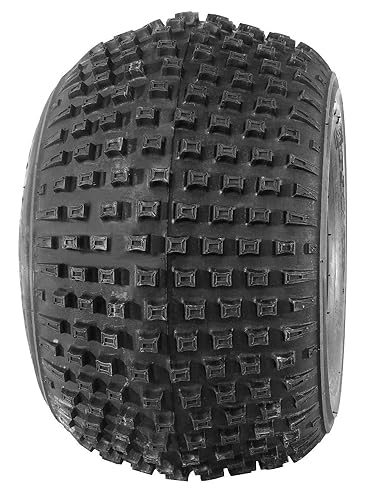
Bridgestone ATV tires dirt hooks are aggressive lug patterns designed to grip loose dirt, mud and hardpack, and this guide explains what they do, how to pick the right set for your machine, and how to care for them so you get consistent traction. By the end, you will know how to match a tread to your riding terrain, check fitment and pressure, and spot wear before it becomes a problem on the trail.
What Dirt Hooks Are and Why They Matter
“Dirt hooks” is a common rider term for the hooked or angled lugs found on many off-road tread designs. The leading edge of each lug bites into soft ground, and the trailing edge helps the tire pull forward rather than skating sideways. For ATV riders, this matters most when climbing loose hills, cutting through ruts or crossing wet clay, where a smooth or lightly treaded tire can lose grip quickly.
Shopping for one? See our guide: GBC Dirt Devil ATV Tires Review: Is It Worth It? (2026).
Bridgestone, a major tire manufacturer, sells several off-road ATV tread patterns that use angled and hooked lug shapes. Exact pattern names, sizes and load ratings vary by model and by year, so always confirm the specification on the tire sidewall and the manufacturer’s current listing before buying.
Step 1: Confirm Your Tire Size and Fitment
Before you think about tread, confirm the size your machine needs. Most ATV owners find the size printed on the sidewall of the existing tire, in a format such as 25×8-12 or 27x9R14. The first number is overall diameter in inches, the second is section width, and the last number is wheel diameter.
- Read the sidewall of the tire currently on the rim.
- Check your owner’s manual for the approved tire size range.
- Measure rim diameter with a tape if the sidewall is worn and hard to read.
- Compare the load index and speed rating against the original equipment specification.
Do not go significantly larger in diameter without checking clearance under fenders, against the frame, and at full steering lock. Oversized tires also change gearing and can stress the drivetrain and CV joints, so ask a qualified dealer or service technician if you are unsure.
Step 2: Match the Tread to Your Terrain
Aggressive hooked lugs excel in some conditions and waste effort in others. Use this comparison to decide what matters most for your riding.
| Riding Terrain | Tread Priority | What to Look For |
|---|---|---|
| Mud and deep ruts | Self-cleaning, deep lugs | Wide spacing between lugs and deep void area |
| Loose hills and sand | Forward bite | Angled, hooked lugs with strong shoulders |
| Hardpack and trails | Balanced grip and wear | Moderate lug height and tighter pattern |
| Mixed trail riding | All-around performance | Center lugs for straight-line work, aggressive shoulders for turns |
If you ride mostly mixed terrain, a tire with a balanced pattern often serves you better than an extreme mud tread that feels harsh on hardpack. Riders who spend most of their time in deep mud usually want the opposite.
Consider Your Riding Style
Aggressive lugs can make a machine feel less stable on pavement, gravel and hard surfaces. If you ride to and from trails on public roads where legal, keep that in mind. Check local regulations on riding on roadways, since rules differ by state, county and land manager.
Step 3: Set the Right Tire Pressure
Dirt hook tires perform best at the pressure recommended for your riding. Lower pressure widens the contact patch and improves bite in soft ground, but too low risks bead unseating, rim damage and sidewall rollover on rocks. Most owner manuals list a recommended range for front and rear tires, and many off-road tire makers publish pressure guidance for specific conditions.
- Start with the manufacturer’s specified pressure for your machine and tire size.
- Make small adjustments only, typically in the range the manual allows.
- Check pressure cold, before riding, with a reliable gauge.
- Recheck after a long run, since tires heat up and pressure rises.
Step 4: Inspect Lugs and Sidewalls Regularly
Dirt hooks take a beating from rocks, roots and sharp edges. A quick inspection before every ride catches problems early.
- Look for cuts, chunks missing from lug edges, and bulges on the sidewall.
- Check tread depth. Many riders replace off-road tires when lugs are worn down to a point where traction drops noticeably in mud.
- Inspect the bead area where the tire meets the rim for leaks or debris.
- Spin each wheel and watch for wobble or runout.
- Check lug nuts or bolts for proper torque according to your owner’s manual.
Any bulge or deep cut that exposes cords is a reason to stop riding that tire until a qualified technician has evaluated it.
Step 5: Mount and Balance Correctly
Dirt hook tires are heavy and stiff, so mounting is best left to a shop with the right equipment. If you do it at home, use a proper tire changer or bead breaker, lubricate the bead, and follow the rim and tire manufacturer’s instructions. Balancing matters more on larger tires, since imbalance can cause vibration at speed and uneven wear over time. Note the rotation direction marked on the tire, if your model has one, and mount it so the arrow points forward.
Common Mistakes
- Running the wrong size for the machine. Oversized tires strain drivetrain parts and can rub the frame.
- Choosing the most aggressive tread for every trail. Extreme mud lugs can feel vague on hardpack.
- Ignoring pressure changes. Riding too low invites rim damage; riding too high reduces grip.
- Skipping post-ride checks. Cuts and bulges often show up only after a hard run.
- Mixing tire brands or patterns carelessly. Mismatched sets can handle differently, especially in turns. Confirm whether your machine requires matched tires on each axle.
Tips for Better Traction
- Keep a tire gauge and a small compressor in your truck or trailer.
- Clean mud out of tread after rides to prevent packing and imbalance.
- Rotate tires according to the manufacturer’s schedule to even out wear.
- Ride with a club or buddy, and stick to trails appropriate for your skill level.
Recommended gear
A few supporting items make dirt hook tires easier to maintain. Pick items that suit your machine and the way you ride.
- Digital tire pressure gauge. Accurate readings help you hold pressure within your manual’s range, and digital models are easier to read in poor light. View on Amazon
- Portable 12V tire inflator. Useful for topping off pressure after trail work or airing back up after adjusting for sand or mud. View on Amazon
- Tire and lug nut torque wrench. Helps you tighten wheel fasteners to the specified value rather than by feel. View on Amazon
FAQ
Are bridgestone ATV tires dirt hooks good for mud?
Many aggressive off-road Bridgestone patterns are designed for mud and loose terrain. Performance depends on the specific model, tire pressure and how deep the mud is, so compare tread designs for your riding conditions.
How do I know the correct size for my ATV?
Check the existing tire sidewall and your owner’s manual. The approved size range in the manual is the safest reference.
How much tread depth is too little?
There is no single universal number for all machines. Replace tires when lugs are significantly worn or when traction noticeably drops, and follow any wear guidance from the manufacturer.
Can I run different tires front and rear?
Some machines allow different front and rear sizes or patterns, while others require matched sets. Check your owner’s manual and the tire manufacturer’s guidance before mixing.
What pressure should I run in mud?
Start with the manufacturer’s recommended pressure and make only small adjustments within the range the manual allows. Avoid pressures that risk bead unseating or rim damage.
Do dirt hook tires affect my ATV’s handling on pavement?
Yes. Aggressive lugs can feel less predictable on hard surfaces. Ride cautiously and reduce speed when transitioning between terrains.
Should I have new tires mounted by a shop?
For most riders, yes. Heavy off-road tires need proper equipment, and a qualified technician can check balance, bead seating and runout. If you have doubts about a tire’s condition or fitment, consult a professional before riding.
Conclusion
Choosing the right bridgestone atv tires dirt hooks comes down to matching size, tread and pressure to the way you ride. Confirm fitment against your owner’s manual, pick a pattern suited to your typical terrain, and inspect tires before every ride. Regular checks and proper mounting will keep your traction consistent and your machine safer on the trail.
Related reading
- Dirt Devil Tires for ATV: How to Choose the Right Set for Trail and Mud
- 7 Best Dirt Commander ATV Tires for Trail and Mud (2026)
- Where Are SunF ATV Tires Made? Origin, Factories and How to Check
- Wanda ATV Tires Reviews: What Riders Report and How to Judge Them
- Used Tires for ATV: 6 Best Picks for Trail and Mud Riding (2026)
Ready to choose one?
About Graham Fisher
Graham Fisher is part of our editorial team and reviews and edits our ATV, UTV/side-by-side & dirt bikes guides, checking product details against manufacturer specifications and owner feedback.