 By Graham Fisher
Updated November 2026
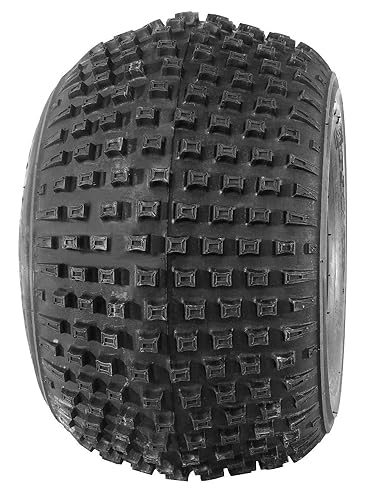
ATV tires made in USA are easier to find than many riders expect, but “Made in USA” on a listing does not always mean the whole tire was built domestically. This guide shows you how to confirm where a tire was made, what to check on the sidewall, and how to match a US-made set to your riding style, machine and terrain so you end up with tires that work and hold up.
Why Riders Look for ATV Tires Made in USA
Many riders want domestic tires for consistency in manufacturing standards, easier warranty handling and the confidence of knowing where a product was built. Owners also tend to ask about US-made options when they ride hard in rocky or high-load conditions and want a tire from a plant they can trace. None of that guarantees better performance on its own, so treat origin as one factor among several, not the whole decision.
Shopping for one? See our guide: 7 Best Atv Quad Tires for Sale: Our Picks for Every Trail.
How to Verify Where an ATV Tire Was Made
Origin claims are worth checking because the phrase “Made in USA” can mean different things. Some tires are fully produced in the US, others are assembled here from imported components, and some are imported with a US brand name on the label. Use the steps below to get a clearer answer.
Step 1: Check the Sidewall
Every tire carries a DOT code and a manufacturing plant code. The DOT code identifies the plant and the production week and year. The plant code is usually a few characters after “DOT” and can be matched to a manufacturer’s plant list. If you see a plant code but cannot tell where that plant is, the manufacturer’s customer service team can usually confirm it.
Step 2: Read the Product Listing Carefully
Look for language like “manufactured in the USA,” “assembled in the USA” or “designed in the USA.” These are not the same thing. “Designed in” often means the brand’s engineering team is based here while production happens overseas. Ask the seller or brand directly which phrase applies to the specific model and size you want.
Step 3: Ask for Written Confirmation
If the origin matters to your purchase, request written confirmation from the manufacturer or an authorized dealer. Reputable brands will answer this question plainly. Vague answers are a signal to look elsewhere.
Matching the Right Tire to Your Riding
Once you know where a tire is made, the next job is choosing the right design. Origin tells you nothing about whether a tread pattern will clear mud or grip a rocky climb. Start with where you ride most.
| Riding Environment | Tread Style to Look For | What to Watch |
|---|---|---|
| Hard-packed trail and dirt | Moderate lugs, tighter spacing | Less noise on pavement, good wear life |
| Mud and deep ruts | Deep, widely spaced lugs | Self-cleaning ability, sidewall strength |
| Rocky and rough terrain | Reinforced sidewalls, durable casing | Puncture resistance, ply rating |
| Sand | Paddle or lower-profile paddle designs | Flotation, lower tire pressure needs |
| Lawn and light use | Turf or low-profile tread | Minimal ground disturbance |
Confirm Size and Load Rating
Before you buy, match the tire size to your machine. Check the size printed on your current tires or in your owner’s manual. Confirm the load index and ply rating also meet or exceed the original specification, especially if you carry gear, tow or run heavier accessories.
Consider Wheel Fitment
Bead diameter, wheel width and offset all affect how a tire mounts and performs. A tire that fits the bead diameter may still rub or sit awkwardly on a different wheel width. Check the wheel width range the tire manufacturer recommends and confirm it with your wheel specs.
Step-by-Step: Buying a US-Made ATV Tire Set
- Note your current tire size from the sidewall or owner’s manual.
- List your main riding terrain and how often you ride on pavement.
- Shortlist tread designs that suit that terrain.
- Verify origin using the sidewall codes and written confirmation from the brand.
- Check load index, ply rating and wheel width compatibility.
- Confirm the warranty terms and how claims are handled.
- Set tire pressure according to the manufacturer’s guidance once mounted.
Tools and Checks for Installation
- Tire pressure gauge, accurate at low PSI
- Tire bead breaker and lubricant suitable for rubber
- Torque wrench for lug nuts, set to your machine’s specification
- Wheel balancing weights, if your shop or setup requires balancing
- Owner’s manual with torque values and recommended pressures
Common Mistakes When Buying ATV Tires Made in USA
- Trusting the headline claim alone. Confirm origin on the sidewall or in writing.
- Ignoring ply rating. A tire that is lighter in construction may not handle your load.
- Choosing aggressive tread for every trail. Deep mud tread can feel loose and wear faster on hard ground.
- Skipping pressure adjustments. Running the wrong PSI can hurt traction and cause rim damage.
- Mismatching front and rear sizes. Unless your machine is designed for it, keep sizes consistent.
Recommended gear
A few supplies make mounting and maintaining new tires much simpler, and a reliable gauge helps you hold the right pressure after every ride.
- Digital tire pressure gauge: Easier to read at low PSI than many analog units, which helps when setting pressures for trail riding. View on Amazon
- Tire bead lubricant: Helps seat beads cleanly during mounting, reducing the chance of pinching the tube or tire. View on Amazon
- Portable air compressor: Lets you adjust pressure at the trailhead to match terrain changes. View on Amazon
Tips for Long Tire Life
Check pressure before each ride, since temperature changes shift PSI. Rotate tires if your machine and manufacturer allow it, and inspect sidewalls for cuts or bulges after rough trail days. Clean mud and rocks from tread to spot damage early. Store tires out of direct sunlight to slow rubber aging.
FAQ
Does “Made in USA” mean every part of the tire is from America?
Not necessarily. The phrase can refer to where the tire was produced, assembled or designed, and the rules vary by claim. Ask the brand which part of the process happens domestically.
How do I check where my ATV tire was made?
Read the DOT code and plant code on the sidewall, then contact the manufacturer to confirm the plant location. Written confirmation from the brand is the most reliable check.
Are US-made ATV tires better than imported ones?
Origin does not automatically determine performance. Tread design, casing, ply rating and fit matter more for how a tire rides and wears. Judge each model on its specifications.
What tread is best for mud riding?
Deep, widely spaced lugs help tires clear mud and maintain grip. Pair that with sidewall strength suitable for your riding.
How often should I check tire pressure?
Check pressure before every ride and after any major temperature change. Use the pressure range in your owner’s manual or the tire manufacturer’s guidance for your terrain.
Can I mix tire brands or sizes on my ATV?
Mixing brands is generally avoided, and sizes should match your machine’s specification. If you are unsure, check with your dealer or a qualified tire technician before mounting.
Should I consult a professional before buying tires?
Yes, if you are unsure about sizing, load rating or mounting. A dealer, tire shop or the manufacturer’s technical team can confirm the right fit for your machine.
Conclusion
Finding ATV tires made in USA starts with verifying origin through sidewall codes and written brand confirmation, not just marketing claims. From there, match tread, ply rating and wheel fit to your terrain and machine. Once mounted, keep pressures correct and inspect tires after every rough ride. Consult a tire professional if you need help confirming size or load rating.
Related reading
- Where Are SunF ATV Tires Made? Origin, Factories and How to Check
- Wanda ATV Tires Reviews: What Riders Report and How to Judge Them
- Used Tires for ATV: 6 Best Picks for Trail and Mud Riding (2026)
Ready to choose one?
About Graham Fisher
Graham Fisher is part of our editorial team and reviews and edits our ATV, UTV/side-by-side & dirt bikes guides, checking product details against manufacturer specifications and owner feedback.